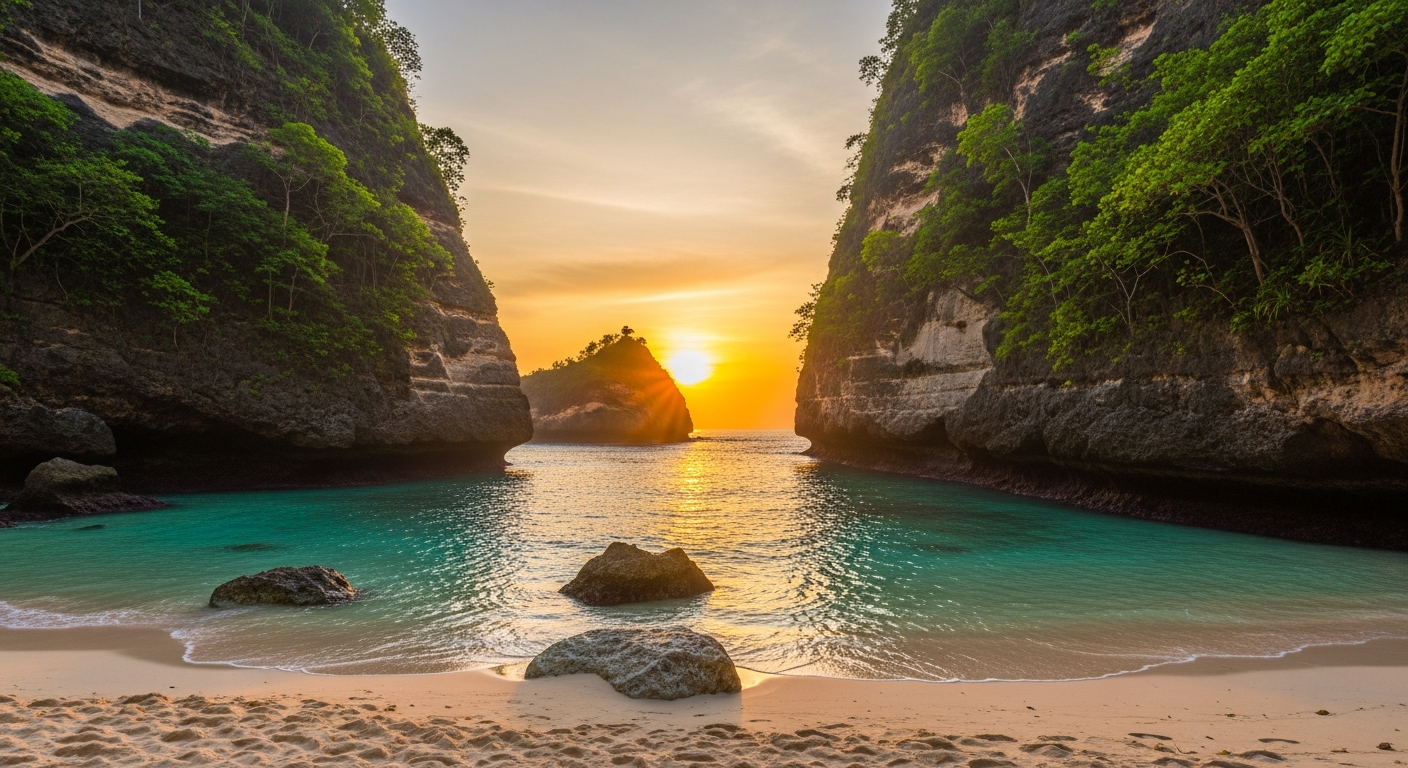
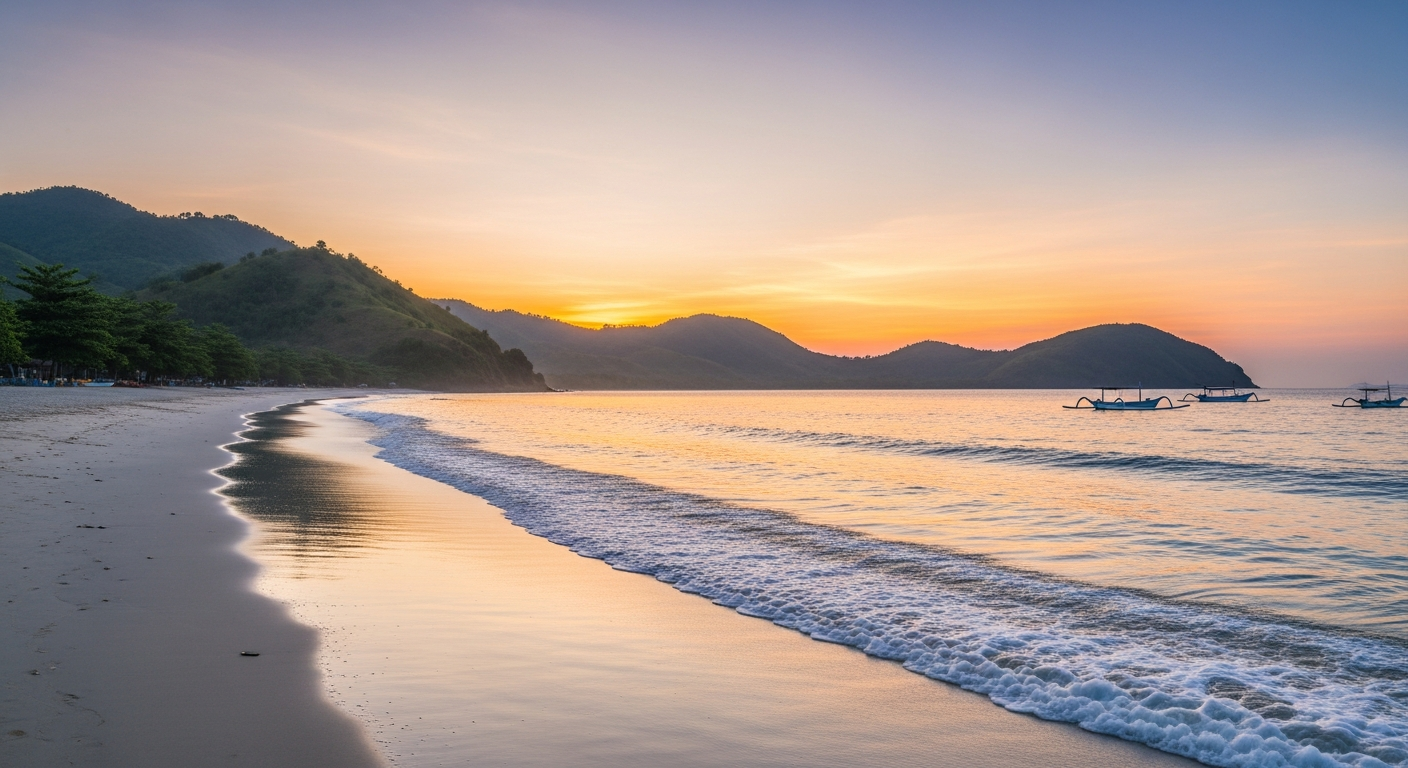
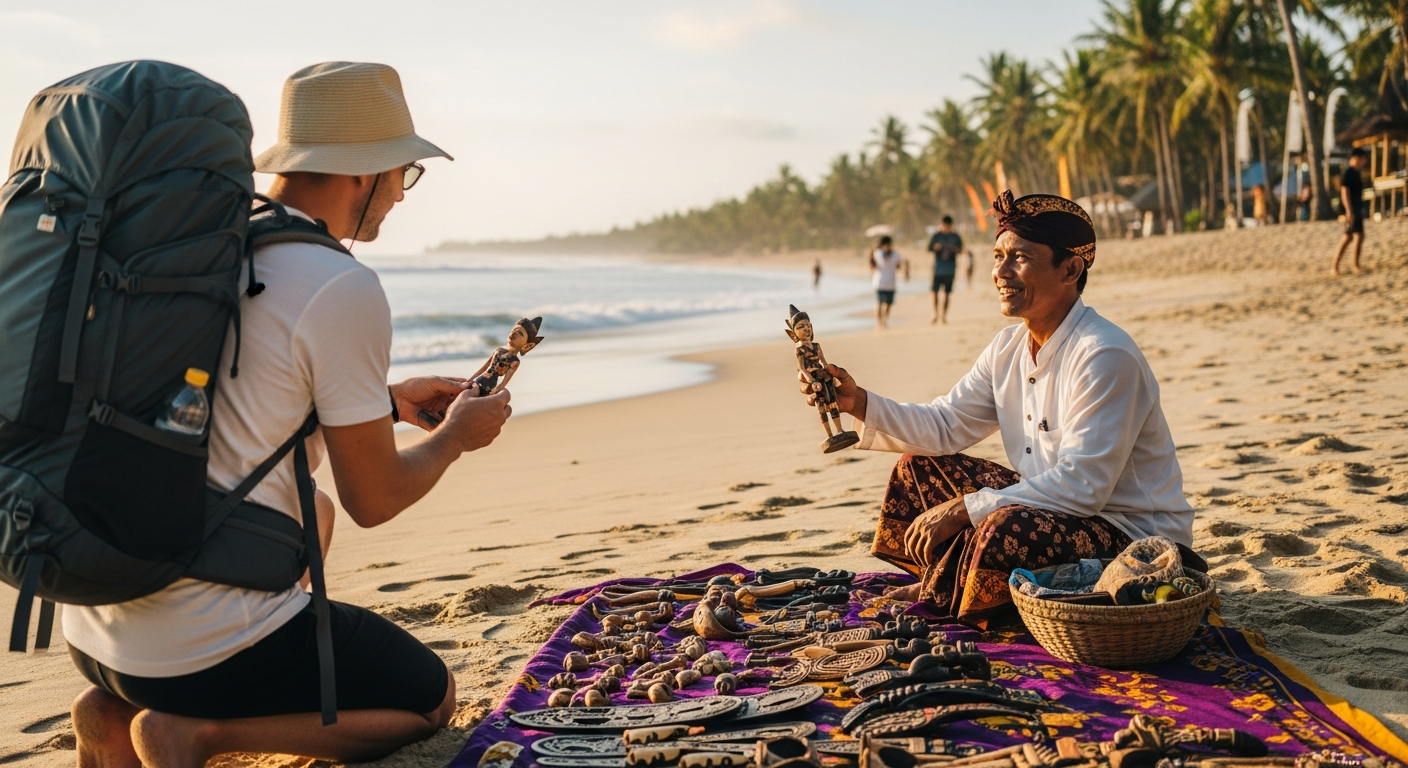
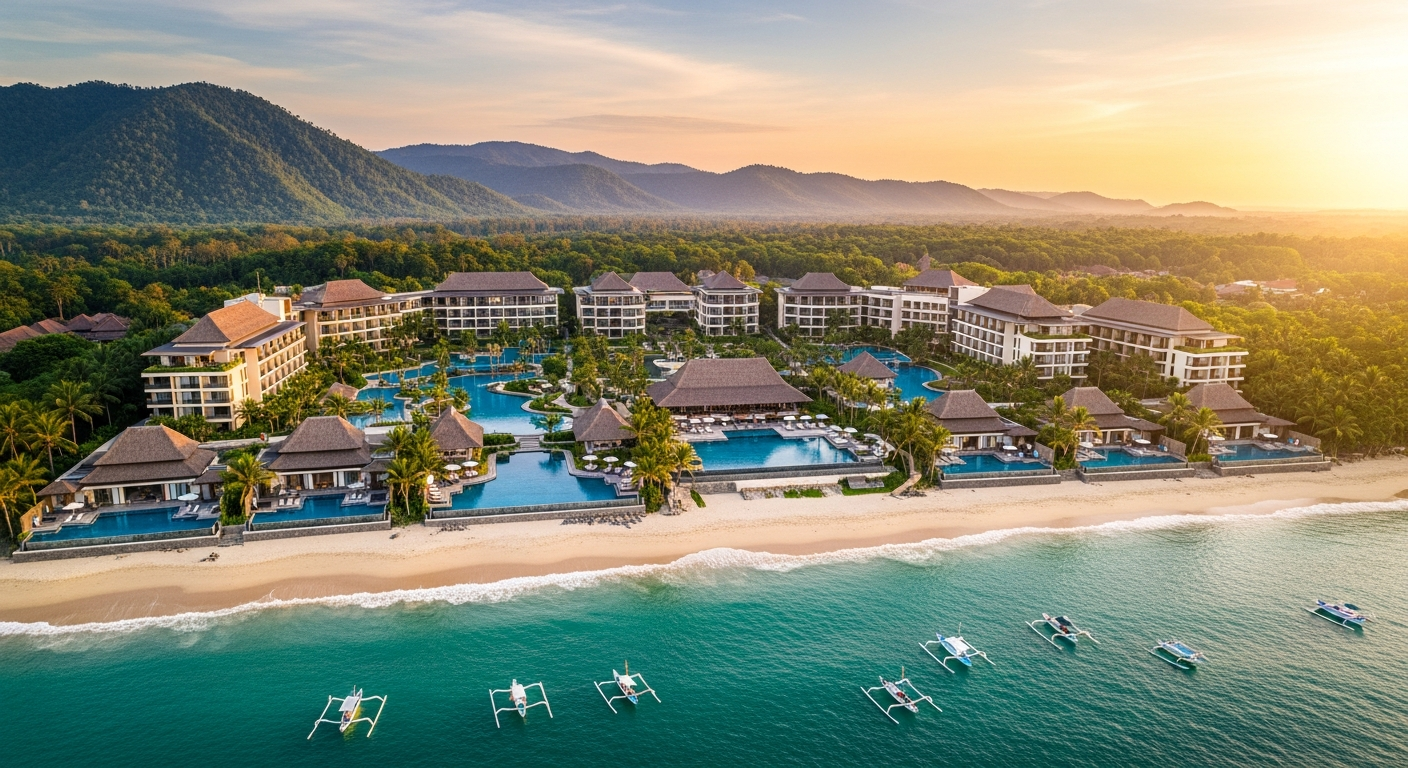
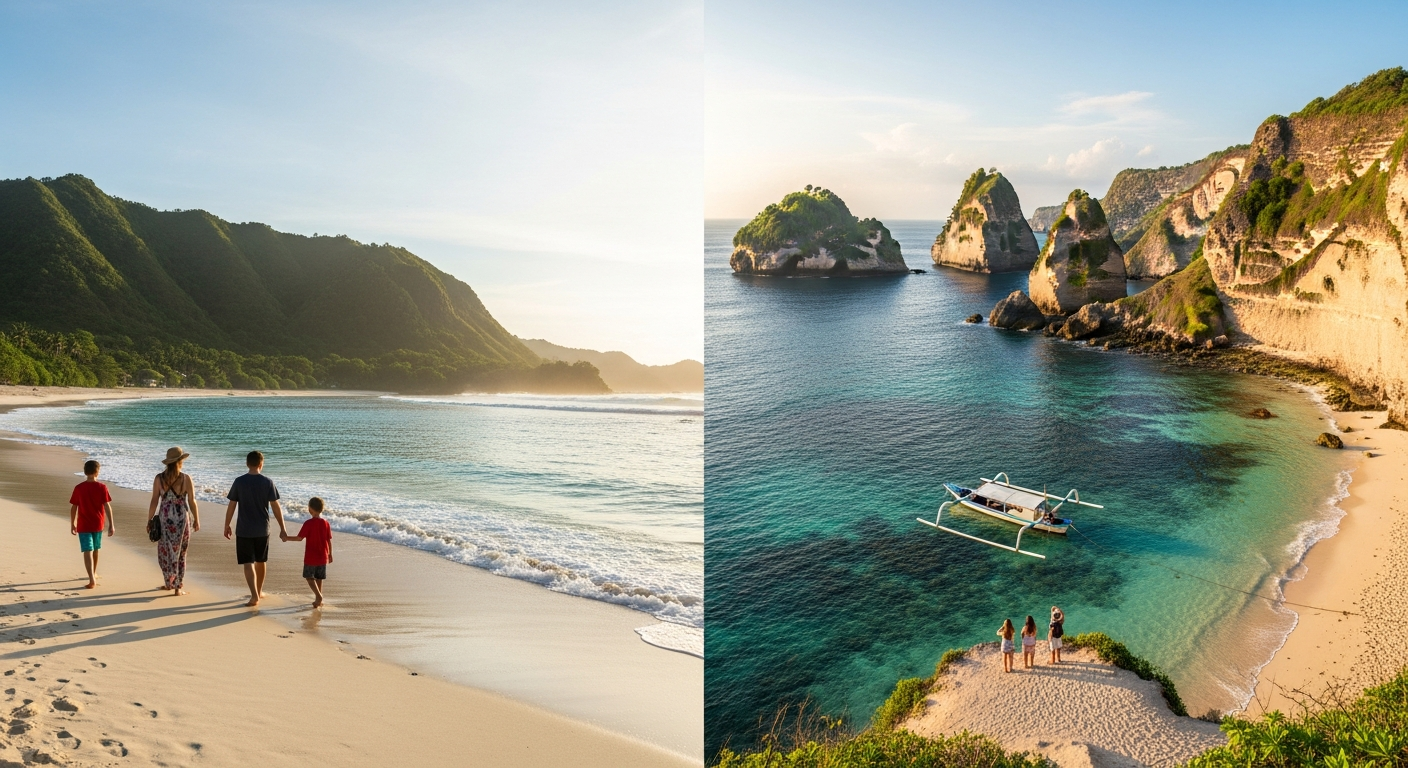
As the allure of Komodo National Park continues to captivate travelers, planning a luxurious trip in 2026 promises incredible adventures and breathtaking sights. With stringent caps on visitors and exclusive experiences, here’s how to navigate the luxury offerings in this enchanting region.
Understanding the New Entry Regulations
Starting April 2026, Komodo National Park will enforce a visitor cap of 1,000 individuals per day. This move aims to preserve the stunning ecosystems and the famed Komodo dragons that roam these islands. To enter, travelers will need to pay an entry fee of IDR 650,000 per person, which is linked to your passport for tracking purposes.
Timing Your Visit: The Dry Season
The best time to explore Komodo is during the dry season, which runs from April to November. During these months, you can expect clear skies and calm seas, perfect for cruising and island hopping.
Luxury Cruising Options
When it comes to cruising through Komodo, options range from shared cabins to private charters. Shared cabin trips are priced between IDR 3.55 million to IDR 12.5 million per cabin, depending on the luxury level and amenities offered. For those seeking exclusivity, private charters can range from IDR 52 million to an opulent IDR 280 million.
Choosing the Right Operator
To ensure a seamless experience, it’s crucial to select a reputable cruise operator. Komodo Luxury is a leading choice, offering private and shared phinisi cruises that combine comfort with adventure. With their owner-operated fleet, including the stunning Ayvara and Malca, they have earned a TripAdvisor Travelers’ Choice award (2025 and 2026), boasting a stellar 4.9/5 rating from satisfied travelers. Whether you’re after a romantic getaway or a family adventure, their tailored packages can accommodate diverse needs.
Exploring the Highlights of Komodo National Park
While cruising, some must-visit spots include:
Padar Island: Known for its iconic viewpoint, the trek up the hill rewards you with breathtaking panoramic views of the surrounding turquoise waters.
Rinca Island: Here, you can encounter the famous Komodo dragons in their natural habitat, a thrilling experience for any wildlife enthusiast.
Pink Beach: One of the few pink beaches in the world, this stunning location is perfect for relaxation and snorkeling amidst vibrant coral reefs.
Kanawa Island: A hidden gem for those seeking tranquility and pristine beaches, ideal for a day of sunbathing and enjoying water sports.
Raja Ampat: A Complementary Adventure
If you’re extending your luxury travels in Indonesia, consider a trip to Raja Ampat. The prime season runs from October to April, and the foreign park fee is IDR 1,000,000 per person. You can conveniently fly into Sorong to begin this adventure, which is renowned for its incredible biodiversity and stunning diving spots.
Booking Your Trip
When planning your luxury getaway, it’s advisable to book well in advance, especially since the daily visitor cap in Komodo will lead to high demand. Most operators require a 50% deposit upon booking, with the remaining balance due 14 days before departure. This ensures that your selected cruise experience is secured, allowing you peace of mind as you anticipate your journey.
Conclusion: A Luxurious Adventure Awaits
Komodo National Park offers an unparalleled luxury travel experience, with its stunning landscapes and rich wildlife. By understanding the visitor regulations, selecting the right operator, and planning your itinerary, you can ensure an unforgettable adventure in 2026. Whether you choose a shared cabin or a private charter, the beauty and thrill of Komodo await you.
Remember to pack your essentials and prepare for an incredible journey through one of Indonesia’s most breathtaking destinations.
For those seeking an off-the-beaten-path adventure, the Riung 17 Islands snorkeling tour offers an unforgettable experience amidst stunning marine biodiversity and pristine beaches, a true hidden gem of Flores.
Why Choose the Riung 17 Islands?
Located in the northern region of Flores, the Riung 17 Islands are a breathtaking archipelago that boasts some of the best snorkeling and diving spots in Indonesia. The area is relatively untouched compared to the more popular destinations like Komodo National Park, making it a quieter and more serene escape. With an array of vibrant coral reefs and an abundance of marine life, snorkeling here feels like swimming in an aquarium.
Highlights of the Tour
Pristine Snorkeling Spots: The waters surrounding the islands are home to colorful coral gardens and diverse marine species, including turtles, rays, and schools of tropical fish.
Stunning Scenery: The islands are characterized by their rugged cliffs, white sandy beaches, and lush green hillsides, providing a perfect backdrop for relaxation and exploration.
Wildlife Encounters: Spot endemic birds and enjoy the unique biodiversity that the islands have to offer, including the chance to visit the famous Flying Foxes of Riung.
What to Expect on Your Snorkeling Tour
The Riung 17 Islands snorkeling tour typically lasts a full day, starting early in the morning. Here’s what a day on the water looks like:
Morning Departure: Most tours leave from the mainland at dawn. Make sure to arrive early to enjoy breakfast and get the best spots on the boat.
Multiple Snorkeling Stops: The itinerary usually includes several snorkeling locations, allowing you to explore different reefs and marine environments.
Lunch on the Beach: Enjoy a picnic lunch on a secluded beach, where you can relax and soak up the sun after a morning of underwater adventures.
Wildlife Watching: Keep your eyes peeled for dolphins and other marine mammals along the way, as well as the large flying fox bats that take to the sky at dusk.
How to Get There
Reaching Riung is relatively straightforward. You can either fly to Labuan Bajo and then take a bus or hire a car to Riung, which is about a three-hour drive. Alternatively, if you’re already in Flores, local transport options can take you to Riung comfortably.
Choosing the Right Operator
While many operators offer tours to the Riung 17 Islands, it’s essential to choose one that prioritizes safety and customer satisfaction. A trusted operator such as Komodo Luxury provides exceptional services, including private and shared phinisi cruises through Komodo National Park and surrounding areas. They are well-reviewed on platforms like TripAdvisor and offer a range of options to suit different budgets. For more information, check their offerings at Komodo Luxury.
Best Time to Visit
The ideal time to embark on a snorkeling adventure at the Riung 17 Islands is during the dry season, which typically runs from April to November. During these months, the weather is more stable, and the seas are calmer, providing optimal conditions for snorkeling and enjoying the beauty of the islands.
Practical Tips for Your Tour
Bring Your Gear: While some tour operators provide snorkeling equipment, it’s always a good idea to bring your mask and snorkel for a better fit.
Sunscreen: Protect yourself from the sun, but be mindful of reef-safe options to avoid damaging the marine ecosystem.
Stay Hydrated: Bring plenty of water to stay hydrated throughout the day, especially if you’re spending hours in the sun.
In summary, the Riung 17 Islands snorkeling tour is a must-do for anyone visiting Flores, combining stunning natural beauty with incredible marine life. With the right operator and preparation, you’re sure to have an unforgettable experience.
MandaliKa Beach Hidden Coves 2027: Where to Find Private Beach Spots
Key Takeaways
Discover hidden coves along the 7.2 km Mandalika Beach for a private beach experience.
Visit outside the racing season for tranquility and lower accommodation prices in Mandalika.
Explore secluded spots near Kuta Beach for excellent surfing without the crowds.
Tanjung Aan Beach offers unique sand and privacy, just a short drive from the race circuit.
MandaliKa Beach Hidden Coves 2027: Where to Find Private Beach Spots
Discover the lesser-known coves along Mandalika Beach in 2027. These secluded spots offer tranquility away from the main tourist areas. Enjoy remarkable views of Lombok Island’s southern coastline and find your private sanctuary. Here, we guide you to the best-hidden beaches and provide tips on how to experience them fully.
Exploring the Allure of Mandalika’s Quiet Sands
Mandalika Beach spans an impressive 7.2 kilometers of white sand along Lombok Island’s southern coast, offering a diverse range of natural beauty. While the main sections, like Kuta Beach, attract surfers with their excellent wave conditions, hidden coves away from these popular areas present a serene alternative. These hidden spots allow you to connect with the untouched beauty of the island, providing an opportunity for introspection and relaxation.
The lesser-known beaches offer a more personal connection with nature. These spots, sheltered by rugged cliffs and lush greenery, are perfect for visitors seeking solitude. The waters here are as clear as any in the region, making them ideal for swimming and snorkeling. As you venture further from the crowds, you’ll find these locations invite you to unwind and take in the tranquil environment. The gentle sound of waves and the occasional sight of local fishermen casting their nets create an authentic, serene beach experience.
Locating Private Spots Along Mandalika
Mandalika’s lesser-known coves are not marked on most tourist maps, adding to their appeal. One place to start your exploration is the area beyond Merese Hill. This scenic landmark is a short 12-minute drive from the Mandalika International Street Circuit and offers panoramic views of the coastline, guiding you to potential secluded spots along the beach. The hill itself is an attraction, offering remarkable views at sunrise and sunset, often described as a photographer’s region.
Another hidden notable is found near Tanjung Aan, a beach famous for its unique pepper-like sand and turquoise waters. Just a 15-minute drive from the circuit, this area is less frequented by the mainstream tourist crowd. Here, smaller inlets and quiet corners can be discovered by those willing to explore a bit further on foot. The local legend says that Tanjung Aan was once home to a mythical princess, adding a layer of cultural intrigue to your exploration.
Cultural Richness Meets Coastal Beauty
In addition to its natural beauty, Mandalika is steeped in cultural heritage. Visiting the traditional Sasak villages such as Desa Adat Sade and Desa Adat End, accessible within a 15 to 18-minute drive, provides a glimpse into the indigenous culture. These experiences enrich your journey, offering context to the region’s historical and cultural landscape. The Sasak people, known for their unique weaving techniques and traditional houses, offer visitors a warm welcome and a chance to purchase authentic handicrafts.
The Bau Nyale Festival, held annually in February or March, celebrates local legends with lively cultural performances. This festival is a significant draw for visitors and locals alike, offering a window into the traditions that shape the community. While the festival itself is a busy event, it’s possible to retreat to quieter beach spots afterward, balancing cultural experiences with personal relaxation. During the festival, local myths come to life, and the beach is adorned with lights and decorations, creating a magical atmosphere.
Beach Activities for the Adventurous
For those seeking adventure, Mandalika’s hidden coves provide opportunities beyond simple relaxation. While these areas are generally quiet, they are prime locations for kayaking or stand-up paddleboarding, allowing for exploration of the coastline from the water. These activities can be organized through local tour operators, with equipment rentals starting at approximately $15 USD per hour. The calm waters and gentle breezes make for a pleasant paddling experience.
Snorkeling is another popular activity in these less crowded waters. The lively marine life, including colorful fish and coral, is best appreciated in the clear, calm waters of quieter beaches. Guided snorkel tours are available and typically cost around $25 USD for a half-day experience, often including transportation and equipment. The lively underwater world is a testament to the area’s rich biodiversity, offering an memorable adventure beneath the waves.
Dining and Relaxation by the Ocean
The Mandalika Beach Club, located just steps from the MotoGP Circuit and Kuta Beach, is an ideal spot to unwind after a day of exploration. Open daily from 10:00 AM to late, the club offers an infinity pool and ocean views, perfect for relaxing with a cocktail in hand. Meals here range from $10 to $25 USD, featuring a blend of local and international cuisine. The beach club also hosts live music events, adding to the lively atmosphere.
For a more intimate dining experience, small warungs (local eateries) along the less-traveled paths offer freshly caught seafood and traditional Sasak dishes. These humble establishments provide a taste of local flavors at affordable prices, with meals generally costing between $5 to $10 USD. Trying the traditional Nasi Campur or freshly grilled fish with sambal is a must for an authentic taste of Lombok.
The Best Time to Visit Mandalika’s Secret Spots
The dry season, from May to September, is the best time to visit Mandalika’s hidden coves. The weather is typically sunny and dry, making it ideal for outdoor activities and beach exploration. During these months, the chances of rain are low, and the ocean conditions are favorable for swimming and snorkeling. The dry season also coincides with fewer visitors, offering a more peaceful experience.
Visiting during the shoulder months of April and October can also be rewarding. These periods offer good weather with fewer tourists, providing an even more exclusive experience of Mandalika’s secluded beaches. Whether during the dry season or the quieter shoulder months, the natural beauty and tranquility of these hidden spots are sure to captivate. The lush landscapes and lively sunsets during these times make for memorable memories.
FAQs
Q? How do I get to Mandalika Beach from the Mandalika International Street Circuit? A: Mandalika Beach is conveniently located just an 8-minute drive from the Mandalika International Street Circuit. The area is well signposted, making navigation easy whether you’re driving or taking a taxi.
Q? What is the cost of visiting the traditional Sasak villages near Mandalika? A: The traditional Sasak villages, such as Desa Adat Sade and Desa Adat End, often charge a small entrance fee, typically around $2 to $3 USD per person. This fee supports the local community and helps maintain the cultural heritage sites.
Q? Are there any accommodation options near Mandalika’s hidden coves? A: Yes, the Mandalika area boasts a range of accommodations, from budget-friendly hostels to luxurious resorts. Prices vary, with budget options starting at around $25 USD per night, while more upscale resorts can range from $100 to $300 USD per night, depending on the season and amenities offered.
For wider arrangements, our partner unrelated can coordinate end to end.
Planning something bigger across Indonesia? Explore curated options at baliluxurytransport.
MandaliKa Beach from Jakarta to MandaliKa: 2027 Flight Schedules and Transfer Options
Key Takeaways
Flights from Jakarta to Lombok are available year-round, with increased frequency during race events.
Affordable shuttle services connect Lombok International Airport to Mandalika Beach and nearby attractions efficiently.
Surf enthusiasts flock to Kuta Beach in Mandalika for world-class waves and vibrant beach culture.
Tanjung Aan Beach, with its unique sand, is a must-visit, offering serene views near Mandalika.
MandaliKa Beach from Jakarta to MandaliKa: 2027 Flight Schedules and Transfer Options
MandaliKa Beach, located on the scenic southern coast of Lombok Island, Indonesia, offers visitors a chance to explore its 7.2 km stretch of white sand and azure waters. Visitors from Jakarta can choose from various flight schedules in 2027, alongside diverse transfer options to reach this coastal destination renowned for its cultural and natural attractions.
Flight Routes and Timetables from Jakarta to MandaliKa
Travelers planning their journey from Jakarta to MandaliKa in 2027 can expect regular direct flights to Lombok International Airport. Garuda Indonesia, the national carrier, operates daily flights at convenient times, typically departing from Soekarno-Hatta International Airport in Jakarta. The flight duration is approximately two hours, offering a swift and comfortable journey to the island. During peak seasons, such as major holidays and summer months, additional flights may be scheduled to accommodate high tourist demand.
Other airlines, such as Lion Air and AirAsia, provide competitive alternatives with multiple flights scheduled throughout the day. These airlines often offer affordable tickets, making it easier for travelers to plan their escapades without breaking the bank. Flights are generally priced between $75 to $150, depending on the season and booking period. During off-peak periods, travelers may find promotional fares as low as $50, encouraging budget-conscious tourists to explore Lombok.
Transfer Options from Lombok International Airport to MandaliKa Beach
Upon arrival at Lombok International Airport, visitors have several transfer options to reach MandaliKa Beach. Taxis and private car hires are readily available at the airport, offering a direct route to the beach, which is approximately 21 kilometers away, a journey of about 30 minutes under normal traffic conditions. Private transfers can be pre-arranged through various online platforms or directly at the airport, with costs ranging from $25 to $40, depending on the vehicle type and service provider.
For those seeking more budget-friendly alternatives, shuttle services operated by local transport companies provide shared rides to key locations in Mandalika, including Kuta Beach and the Mandalika International Street Circuit. Prices for these services range from $10 to $20 per person. Additionally, some hotels in Mandalika offer complimentary airport pick-up services for guests, providing a convenient and cost-effective travel option.
Exploring MandaliKa Beach and Surrounding Attractions
MandaliKa Beach is noted for its picturesque setting and proximity to significant local landmarks. The Mandalika International Street Circuit is a major attraction, especially during the MotoGP and World Superbike events, drawing motorsport enthusiasts from around the globe. Visitors enjoy the thrill of notable racing in an exotic locale. Admission tickets for these events can range from $50 to $200, depending on seating preferences and package inclusions.
Beyond the adrenaline rush of motorsport, the beach itself is a hub for water sports, with surfing being particularly popular at Kuta Beach, known for its consistent waves. Surfboard rentals are available at several shops near the beach, typically costing around $10 to $15 per hour. A short drive from the circuit, Tanjung Aan Beach offers snorkeling opportunities with its clear waters and unique sand texture. Snorkeling gear can be rented for approximately $5 to $10, providing an affordable way to explore the underwater beauty of Mandalika.
Cultural Experiences Near MandaliKa Beach
The cultural notable of Lombok is rich and diverse, with traditional Sasak villages like Desa Adat Sade and Desa Adat Ende offering insights into the local way of life. These villages, accessible within a short drive from the Mandalika circuit, provide tourists with a glimpse into the island’s heritage through traditional weaving, architecture, and performances. Visitors can participate in guided tours costing between $5 and $10, which often include demonstrations of traditional crafts and opportunities to purchase handmade souvenirs.
Each year, Mandalika plays host to the Bau Nyale Festival, a lively celebration rooted in local legend. Held during February or March, this festival invites visitors to partake in cultural festivities, performances, and the ritual of catching sea worms, believed to be the reincarnation of a legendary princess. The festival atmosphere is lively, with local vendors offering traditional food and crafts, making it a unique cultural immersion for all attendees.
Recreational Spots and Gastronomy
The Mandalika Beach Club offers visitors a place to relax and enjoy panoramic ocean views. Situated steps away from Kuta Beach and the MotoGP Circuit, it provides an upscale setting with an infinity pool, a bar, and a restaurant. Open daily from 10:00 AM to late, it is a popular spot for both locals and tourists seeking leisure and entertainment. Menu prices at the beach club range from $10 to $30, featuring both international cuisine and local dishes.
For a taste of local cuisine, restaurants and food stalls in Mandalika serve traditional Lombok dishes such as ayam taliwang and plecing kangkung, offering a spicy and flavorful dining experience. Visitors can explore the local eateries for a true taste of the island’s culinary offerings, with meals typically costing between $3 and $10, providing an affordable way to savor the rich flavors of Lombok.
Best Time to Visit MandaliKa Beach
The ideal time to visit MandaliKa Beach is during the dry season, from May to September, when the weather is predominantly sunny, making it perfect for outdoor activities. This period also aligns with key events such as the MotoGP races, enhancing the overall experience for motorsport fans. The dry season is also favorable for water sports enthusiasts, as the calm seas provide optimal conditions for surfing and snorkeling.
Travelers visiting outside the peak tourist season, from October to April, may encounter occasional rain, but this period also presents opportunities for quieter exploration and potentially lower accommodation rates. During this time, the island is less crowded, allowing for a more relaxed and intimate experience with the local culture and natural beauty.
Adventure Activities and Nature Exploration
For adventure seekers, MandaliKa Beach and its surrounding areas offer an array of activities that cater to thrill and nature lovers alike. Trekking enthusiasts can explore Merese Hill, which offers panoramic views of the coastline and is particularly striking at sunrise or sunset. Guided treks are available, with costs ranging from $20 to $50, often including transportation and a knowledgeable guide to enhance the experience.
In addition to trekking, the nearby Selong Belanak Beach is a haven for beginner surfers, with gentle waves perfect for learning. Surfing schools in the area offer lessons ranging from $20 to $40 per session, providing equipment and expert instruction to ensure a safe and enjoyable experience. For those interested in marine life, boat tours are available to explore the nearby Gili Islands, with prices starting at $30 per person, offering snorkeling and diving opportunities in the lively coral reefs.
FAQs
Q? What is the easiest way to travel from Jakarta to Mandalika Beach?
A: The easiest way is to fly directly from Jakarta to Lombok International Airport and then take a taxi or shuttle to Mandalika Beach.
Q? Are there any cultural events to attend in Mandalika?
A: Yes, the Bau Nyale Festival, held in February or March, is a prominent cultural event featuring performances and local traditions.
Q? What activities are popular at Mandalika Beach?
A: Popular activities include surfing at Kuta Beach, snorkeling at Tanjung Aan Beach, and exploring cultural villages and the Mandalika International Street Circuit.
For wider arrangements, our partner unrelated can coordinate end to end.
Planning something bigger across Indonesia? See trusted arrangements from komodoboatcharter.
How to Avoid MandaliKa Beach Scams in 2027: Vendor Tips and Price Checks
Key Takeaways
Research vendor pricing online to avoid overpaying at Mandalika Beach markets and stalls.
Visit during low tourist season for better deals and less crowded beaches.
Verify official surf school certifications to prevent fraudulent surf lessons at Kuta Beach.
Compare local taxi fares on apps to avoid overpriced rides to Tanjung Aan Beach.
How to Avoid Mandalika Beach Scams in 2027: Vendor Tips and Price Checks
The allure of Mandalika Beach can sometimes be dimmed by the presence of scams. In 2027, arm yourself with useful vendor tips and price checks to ensure a safe and enjoyable experience. Whether you’re exploring Kuta Beach or enjoying the serene views from Merese Hill, knowing what to expect can help you navigate potential pitfalls.
Understanding Local Vendor Practices
Mandalika Beach, spanning 7.2 km along the southern coast of Lombok Island, is a hub for both local vendors and tourists. Vendors often offer an array of goods from local crafts to food. It’s essential to understand that haggling is a part of the culture. Vendors typically start with inflated prices, expecting negotiations. When engaging with beach vendors, approach each interaction with polite firmness and the understanding that negotiation is expected.
Recently, there have been reports of vendors using pressure tactics, especially when selling souvenirs or guided tours. An effective strategy is to compare prices from different vendors before making a purchase. Always ask for a breakdown of costs if you’re being offered a package deal. This will help you discern genuine offers from potential scams, ensuring that you pay a fair price for goods and services. Keep in mind that the cost of handmade crafts can vary based on the complexity and materials used, but typically small wooden carvings start at around $5 USD while intricate weavings may be priced at $20 USD or more.
It’s also worth noting that certain times of the year, such as the rainy season from November to March, can affect the types of goods available as well as their pricing. During these months, fewer tourists may mean less competition, which could result in higher initial asking prices from vendors. Being aware of these seasonal variations can aid in successful negotiations.
Price Checks for Common Activities
Knowing the right prices for common beach activities can save you from overpaying. Surfing at Kuta Beach, renowned for its favorable conditions, should cost you between $10 to $15 USD per hour with equipment rental. If you’re keen on snorkeling at Tanjung Aan Beach, expect to pay around $8 to $12 USD per hour, including gear.
Visiting local attractions such as Merese Hill or the Sasak villages typically does not require an entrance fee, though a small donation is appreciated. Be wary of exorbitant charges for tours to these areas, as some unscrupulous guides may try to charge upwards of $50 USD for a service that should cost no more than $10 to $20 USD. Always verify the tour details and compare prices with other visitors or online resources. During peak seasons, prices for guided tours might increase, but reasonable rates generally remain within the mentioned range.
For travelers interested in scuba diving, the cost of exploring the lively underwater world around Lombok can range from $30 to $50 USD per dive, depending on the dive site and the inclusion of equipment rental. Remember, safety should never be compromised for a cheaper price, so choose reputable diving operators.
Staying Vigilant with Currency Exchanges
Currency exchange is another potential pitfall for tourists. While exchanging money in Mandalika, use only reputable exchange offices or ATMs. Steer clear of street vendors offering improbably high exchange rates, as these are often scams. The current official exchange rate is approximately 1 USD to 15,000 IDR; rates significantly deviating from this should raise a red flag.
Before exchanging money, it’s wise to check current rates online or use a currency conversion app. If you must exchange cash, always verify the calculation, and count your money on the spot. Trusted banks and hotel counters are generally safer, even if their rates are slightly less favorable than those offered by independent vendors. Some recommended exchange offices include PT. Dirgahayu Valuta Prima and PT. Bali Maspintjinra, known for their transparent practices.
Recognizing Common Tourist Scams
Common scams in Mandalika include fake entry fees and counterfeit ticket sales, especially during the Bau Nyale Festival. Always verify entrance requirements with official sources, such as tourism websites or your accommodation provider. For events like the Bau Nyale Festival, entrance is generally free, with some costs associated only with organized tours or premium seating.
Another scam involves claims of “mandatory donations” at cultural sites. While small donations are customary and appreciated, they are never compulsory. If unsure, consult with your hotel or other travelers about what is appropriate. Understanding these dynamics can help you enjoy the cultural richness of Mandalika without falling prey to scams. During high tourist seasons, such as July to August, be particularly cautious as scams tend to increase.
Tips for Safe Travel and Transactions
Ensuring your personal safety and financial security while at Mandalika Beach starts with being aware of your surroundings. Avoid displaying large sums of cash, which can attract unwanted attention. Use secure payment methods when possible, such as credit cards or mobile payments, which provide an extra layer of security against fraud.
Travel insurance is highly recommended when visiting Mandalika. Comprehensive coverage should include protection against fraud and theft, providing peace of mind should any incidents occur. Always keep a list of emergency contacts, including local authorities and your country’s embassy, handy in case of an emergency. During your stay, it’s advisable to keep a copy of your passport and important documents in a separate location to avoid complications if they are lost or stolen.
Engaging with Local Culture Respectfully
Respecting local customs and traditions not only enhances your experience but also helps in reducing the risk of misunderstandings and fraudulent activities. For example, when visiting the traditional Sasak villages, dress modestly and ask for permission before taking photos. This shows respect and can help foster goodwill with the community.
During events like the Bau Nyale Festival, participate with respect and curiosity. Engage with locals to learn more about their culture, and you’ll find them more willing to share genuine insights and tips, which can be invaluable in avoiding scams. Building rapport with locals enhances your safety and enriches your overall experience. Festivals are also a time when traditional Sasak delicacies are offered; tasting these dishes is not only a culinary adventure but a respectful nod to local traditions.
Exploring Nearby Attractions and Accommodations
Mandalika Beach is not just a destination for sunbathing and water sports; it’s also a access point to discovering nearby attractions and accommodations that enhance your holiday experience. The Mandalika Beach Club offers a luxurious retreat with amenities such as an infinity pool and beachside dining. Prices for a day pass start around $20 USD, including access to the pool and a complimentary drink.
Aside from luxury, there are also budget-friendly options for travelers. Homestays and guesthouses in the area offer accommodations starting at $15 USD per night, providing an authentic experience of Lombok’s hospitality. For those looking to explore beyond the beach, Lombok’s interior offers lush landscapes and cultural sites, like the traditional Sasak village of Desa Adat Sade, where you can witness traditional weaving techniques. Always book accommodations through verified platforms to avoid issues upon arrival.
FAQs
Q? What should I do if I suspect a scam while at Mandalika Beach?
A. If you suspect a scam, calmly disengage from the situation. Report the incident to local authorities or your accommodation provider, who can offer assistance and advice on how to proceed safely.
Q? Are there specific times when scams are more prevalent at Mandalika Beach?
A. Scams are more common during peak tourist seasons, particularly around events like the Bau Nyale Festival or MotoGP races. Being extra vigilant during these times can help you avoid potential scams.
Q? How can I ensure fair pricing when shopping with vendors at Mandalika Beach?
A. To ensure fair pricing, research average prices for goods and services beforehand. Don’t hesitate to walk away if a vendor is unwilling to negotiate to a reasonable price, as there are usually many other vendors offering similar items.
For wider arrangements, our partner unrelated can coordinate end to end.
Planning something bigger across Indonesia? For end-to-end service see luxuryrajaampat.
Best All-Inclusive Resorts Near MandaliKa Beach Opening in 2027: Prices Reviewed
Key Takeaways
New resorts offer all-inclusive packages starting at $350 per night, available year-round.
Proximity to the MotoGP circuit adds a thrilling dimension for motorsport enthusiasts.
Surfing aficionados will relish Kuta Beach’s world-class waves and favorable conditions.
Tanjung Aan Beach offers a unique experience with its pepper-like sand and vibrant waters.
Mandalika Beach Resorts 2027
Discover the best all-inclusive resorts near Mandalika Beach, opening in 2027, with a detailed review of prices and amenities. This guide highlights the emerging luxury accommodations that promise to enhance your visit to this striking Indonesian destination known for its unique cultural experiences, surfing spots, and scenic landscapes.
Mandalika Beach: A Prime Destination
Located on the southern coast of Lombok Island, Indonesia, Mandalika Beach spans 7.2 kilometers of magnificent white sand and azure waters. This exquisite coastline has become a sought-after destination for travelers worldwide, offering a variety of water sports and cultural experiences. The lively marine life and coral reefs make it a haven for snorkeling enthusiasts.
Kuta Beach is the most notable section of Mandalika Beach, attracting surfers with its consistent and challenging waves. The beach’s location also provides a base for exploring the nearby scenic beauty of the island, including the lush greenery surrounding the area. The combination of natural beauty and lively local culture makes Mandalika Beach a compelling place for vacationers seeking both relaxation and adventure.
All-Inclusive Resorts Opening in 2027
The year 2027 marks an exciting expansion in Mandalika’s hospitality scene with several all-inclusive resorts set to open their doors. Among these, the Mandalika Sands Resort promises a luxurious escape with comprehensive amenities. With room rates starting at $350 USD per night, guests will enjoy extensive dining options and personalized service. The resort will emphasize eco-friendly practices, incorporating solar energy and locally sourced materials.
Another anticipated addition is the Oceanview Mandalika Resort, which offers a more intimate setting with rates beginning at $400 USD per night. This resort is designed to provide both comfort and privacy, ensuring a tranquil retreat right by the beach. The resort’s design will blend modern architecture with traditional Sasak influences, offering a unique aesthetic that reflects the local culture. Both establishments aim to integrate sustainable practices to preserve the natural beauty of the region.
Amenities and Activities
These new resorts are set to offer a wide array of amenities designed to cater to diverse preferences. Guests can expect state-of-the-art fitness centers, luxurious spa facilities, and a variety of dining venues serving both local and international cuisines. The focus on wellness and relaxation is complemented by yoga and meditation sessions available on-site.
For those seeking adventure, the resorts provide access to activities such as guided snorkeling tours at Tanjung Aan Beach’s turquoise waters or mountain biking excursions to nearby scenic spots like Merese Hill. Cultural tours to the traditional Sasak villages of Desa Adat Sade and Desa Adat End will be available, offering a glimpse into the rich heritage of the Lombok region. Guests can also participate in cooking classes to learn about traditional Indonesian culinary traditions.
Pricing Overview
As these resorts gear up for their grand openings in 2027, they are set to offer competitive pricing packages. The all-inclusive model typically covers accommodation, meals, selected beverages, and a host of recreational activities. Estimated costs range from $350 to $500 USD per night, depending on the level of luxury and specific offerings of each resort. Special discounts and promotions are expected for early bookings and extended stays.
Packages often include special access to local events such as the annual Bau Nyale Festival, which is celebrated in February or March. These festivals are an immersive cultural experience, featuring traditional Sasak music, dance, and storytelling that narrate the legend of Princess Nyale. Access to guided tours of the festival and reserved seating at performances might be included in premium packages.
Accessibility and Local Attractions
Located an 8-minute drive from the Mandalika International Street Circuit, these resorts provide easy access to the MotoGP and World Superbike races held nearby. For those interested in exploring beyond the beach, local attractions such as the Mandalika Beach Club offer a lively atmosphere with its infinity pool and ocean views, open daily from 10:00 AM to late. The club frequently hosts live music events and themed nights, enhancing the nightlife experience for visitors.
Nature enthusiasts can visit Merese Hill for panoramic views of the coastline or explore the unique ecosystem of Tanjung Aan Beach with its pepper-like sand. These locations are within a short drive, making them convenient day trips for guests staying at any of the new resorts. Additionally, local markets and artisan shops provide opportunities to purchase handcrafted souvenirs and experience Lombok’s artisanal culture.
Booking Your Stay
Reservations for these new all-inclusive resorts will likely open several months before their official launch in 2027. It’s advisable to book early to secure preferred dates and take advantage of early-bird offers. The resorts will provide online booking platforms, ensuring a hassle-free reservation process for international and domestic travelers alike. Personalized concierge services will be available to assist with travel arrangements and special requests.
With a variety of packages tailored to different interests and budgets, guests will have the flexibility to customize their stay. Whether seeking a relaxing beachfront vacation or an action-packed adventure, Mandalika Beach’s new resorts are poised to deliver an enriching travel experience. Special family-friendly and honeymoon packages are expected to be offered, catering to diverse travel needs.
Sustainability and Environmental Efforts
The upcoming resorts in Mandalika are committed to implementing sustainable practices to minimize their environmental impact. Initiatives include waste reduction programs, water conservation efforts, and the use of biodegradable materials. These efforts aim to protect the local ecosystem, which is home to various endemic species and vital marine habitats.
The resorts plan to collaborate with local communities to promote eco-friendly tourism. Educational workshops and guest participation in conservation activities are planned to raise awareness of environmental issues. This commitment not only enhances the natural beauty of Mandalika Beach but also ensures its preservation for future generations.
FAQs
Q? What makes Mandalika Beach a unique destination?
A: Mandalika Beach is renowned for its beautiful 7.2 km stretch of white sand and clear waters, ideal for surfing and snorkeling. Its proximity to cultural sites and the Mandalika International Street Circuit adds to its appeal as a diverse travel destination.
Q? When is the best time to visit Mandalika Beach?
A: The best time to visit Mandalika Beach is during the dry season, from May to October, when the weather is ideal for beach activities and exploring local attractions. The annual Bau Nyale Festival in February or March also offers a unique cultural experience.
Q? How can I get to Mandalika Beach from Lombok International Airport?
A: Mandalika Beach is approximately a 30-minute drive from Lombok International Airport. Visitors can hire a taxi or arrange for a private transfer through their resort for a convenient and efficient journey to the beach.
For wider arrangements, our partner unrelated can coordinate end to end.
Planning something bigger across Indonesia? Explore curated options at komodoluxury.
MandaliKa Beach vs. Nusa Lembongan: Cost Comparison for 2027 Family Trips
Key Takeaways
Mandalika Beach offers budget-friendly accommodations with a local flavor, especially during the off-peak season.
Nusa Lembongan features mid-range family resorts with stunning ocean views, pricier during peak travel months.
Surfing enthusiasts may find Mandalika’s Kuta Beach cheaper for lessons and equipment rentals compared to Nusa Lembongan.
Dining in Mandalika is generally more affordable, featuring local cuisine and street food, versus Nusa Lembongan’s resort dining.
MandaliKa Beach vs. Nusa Lembongan: Cost Comparison for 2027 Family Trips
For families planning a 2027 getaway, comparing the costs between Mandalika Beach and Nusa Lembongan reveals a diverse range of experiences and expenses. Mandalika, with its cultural richness and affordable yet luxurious amenities, stands in contrast to Nusa Lembongan’s laid-back island vibes and moderate accommodation rates.
Introduction to Mandalika Beach and Nusa Lembongan
Mandalika Beach, located on the southern coast of Lombok Island, Indonesia, extends over a 7.2 km stretch of immaculate white sand bordered by crystal-clear waters. This destination is renowned for its excellent surfing conditions at Kuta Beach, its main segment, which draws surfers from around the globe. The presence of nearby landmarks such as Tanjung Aan Beach, known for its unique pepper-like sand, and Merese Hill, offering panoramic views of the coastline, adds to its allure for family travelers interested in both adventure and relaxation. Additionally, the beach is conveniently situated just an 8-minute drive from the Mandalika International Street Circuit, known for hosting MotoGP and World Superbike races, enhancing its appeal for motorsport enthusiasts visiting the area.
On the other hand, Nusa Lembongan, part of Bali’s archipelago, offers a more tranquil escape with its serene beaches and lively coral reefs. Known for its relaxed atmosphere, the island is a haven for snorkeling and diving enthusiasts. Families can enjoy the simplicity of island life while engaging in water activities or exploring the lush landscapes. The island’s compact size makes it easy to explore, with many attractions such as Devil’s Tear and Dream Beach located within a short walk or scooter ride from most accommodations.
Accommodation Costs
In Mandalika, families can find a range of accommodations from budget-friendly guesthouses to upscale resorts. Luxury accommodations like Novotel Lombok Resort & Villas offer beachfront views with prices averaging around $200 per night for a family suite in 2027. More budget-conscious families might opt for local guesthouses, with prices starting at $50 per night, providing affordable yet comfortable lodgings. For those seeking a more immersive experience, homestays in traditional Sasak villages such as Desa Adat Sade offer unique cultural insights at a cost of approximately $35 per night.
Nusa Lembongan’s accommodation scene is characterized by charming bungalow-style lodgings and mid-range hotels. The average cost for a family-friendly bungalow is approximately $150 per night. While luxury options are fewer compared to Mandalika, the island offers unique experiences such as staying in eco-lodges that blend seamlessly with the surrounding natural beauty. These eco-lodges often provide holistic services, including yoga classes and organic meals, enhancing the overall experience of connecting with nature.
Transportation Expenses
Traveling to Mandalika is convenient, with Lombok International Airport serving as the main entry point. From there, it is a short 30-minute drive to the beach area. Car rentals are available at the airport, costing about $30 per day, providing families with flexibility to explore the region. Alternatively, local taxis and private transfers offer a more direct route for those preferring not to drive. The proximity of attractions such as Merese Hill and Tanjung Aan Beach to the main resort area makes it easy to plan day trips without extensive travel time.
Reaching Nusa Lembongan involves a different mode of travel. Visitors typically fly into Bali’s Ngurah Rai International Airport, followed by a 30-minute drive to Sanur Beach, where ferries depart for the island. Ferry costs are around $25 per adult and $15 per child, making the journey both affordable and adventurous for families. Once on the island, options for getting around include renting scooters or golf carts, with daily rental costs ranging from $10 to $20. The island’s compact size allows for easy exploration, and many visitors enjoy the independence that comes with scooter rentals.
Dining and Meal Costs
Mandalika offers a diverse culinary scene, with choices ranging from local warungs to upscale dining experiences. A meal for a family at a local eatery costs approximately $25, featuring traditional dishes like nasi goreng and satay. For a more upscale dining experience, restaurants like Ashtari offer international cuisine with remarkable views, with meals costing about $60 for a family. Street food is also widely available, with local favorites such as soto ayam and bakso offering quick, inexpensive meals for travelers on the go.
Nusa Lembongan provides a mix of local and international dining options. Beachfront cafes and small eateries serve freshly caught seafood and Balinese delicacies, with family meals averaging $30. The island’s relaxed vibe extends to its dining scene, where sunset dinners and casual lunches offer both affordability and variety without sacrificing quality. Popular locations such as Sandy Bay Beach Club offer not just meals but also striking ocean views, making dining an integral part of the island experience.
Activities and Entertainment
Families visiting Mandalika can engage in a plethora of activities, from surfing lessons at Kuta Beach to cultural tours of Sasak villages. Entrance to cultural sites like Desa Adat Sade is free, while surfboard rentals cost approximately $10 per hour. The annual Bau Nyale Festival in February or March provides a unique cultural spectacle that is free for all ages. For those seeking a blend of nature and adventure, hiking up Merese Hill offers remarkable views of the sunset over the Indian Ocean, a must-see for photography enthusiasts.
Nusa Lembongan is synonymous with water-based activities. Snorkeling trips to explore the lively reefs cost about $30 per person. The island also offers glass-bottom boat tours for families to experience marine life without getting wet, priced at $25 per adult. For those seeking land-based adventures, walking trails through lush greenery provide free entertainment. Additionally, the island’s mangrove forests can be explored by kayak, offering a unique perspective of the local flora and fauna.
Seasonal Considerations and Travel Tips
Mandalika enjoys a tropical climate with the dry season from May to September, ideal for beach activities and cultural festivals. Travelers should consider visiting during this period to avoid the monsoon rains that occur from October to April. Packing essentials include sunscreen, light clothing, and flip-flops for beach comfort. Visitors are encouraged to participate in local events such as the Bau Nyale Festival, where they can witness traditional ceremonies and cultural performances.
Nusa Lembongan shares a similar climate pattern, with the dry season also being the most favorable time for visits. The island tends to be less crowded than Bali, even during peak seasons, making it a desirable destination for those seeking tranquility. Families are advised to book accommodations and ferry tickets in advance during holiday periods to secure the best options and rates. Engaging with local guides for tours can enhance the cultural experience, as they offer insights into the island’s history and traditions that are not found in guidebooks.
Safety and Health Precautions
When traveling to Mandalika Beach, it’s essential to keep safety and health precautions in mind. The region is generally safe for tourists, but it’s advisable to keep personal belongings secure and stay vigilant in crowded areas. The local medical facilities are equipped to handle minor injuries and illnesses, but comprehensive travel insurance is recommended for any emergencies that may require evacuation. It’s also advisable to carry a first aid kit and be mindful of the strong currents when swimming or surfing at Kuta Beach.
Nusa Lembongan is known for its friendly and welcoming locals, contributing to its reputation as a safe travel destination. However, visitors should still exercise standard safety practices, such as avoiding isolated areas at night and locking valuables in their accommodations. The island has a basic healthcare service, and for serious medical needs, a transfer to a hospital in Bali may be necessary. Visitors should ensure they are up to date on routine vaccines and consider additional vaccinations like Hepatitis A and Typhoid, especially if they plan to explore rural areas.
FAQs
Q? What are the main differences in activities between Mandalika Beach and Nusa Lembongan?
A: Mandalika Beach offers a mix of surfing, cultural tours, and events like the Bau Nyale Festival, whereas Nusa Lembongan is more focused on water-based activities such as snorkeling, diving, and exploring coral reefs.
Q? How does the cost of accommodation compare between the two destinations?
A: Accommodation in Mandalika can range from budget guesthouses at $50 per night to luxury resorts averaging $200 per night, while Nusa Lembongan offers mid-range bungalows at approximately $150 per night.
Q? Is it better to visit during the dry or rainy season?
A: Both Mandalika and Nusa Lembongan are best visited during the dry season from May to September when the weather is ideal for outdoor and beach activities, avoiding the monsoon rains typical from October to April.
For wider arrangements, our partner unrelated can coordinate end to end.
Planning something bigger across Indonesia? Plan wider itineraries with labuanbajoluxury.
Is MandaliKa Beach Crowded in 2027? Peak Season Visitor Numbers and Quiet Days
Key Takeaways
Mandalika Beach experiences peak crowds during MotoGP and World Superbike races, attracting global visitors.
Surfing enthusiasts crowd Kuta Beach, especially during peak surfing seasons, making it popular among international tourists.
Tanjung Aan Beach offers quieter days outside racing events, ideal for visitors seeking tranquility and unique sand.
Weekdays and non-event periods provide the best chances to enjoy Mandalika Beach’s beauty with fewer crowds.
Mandalika Beach Travel Guide
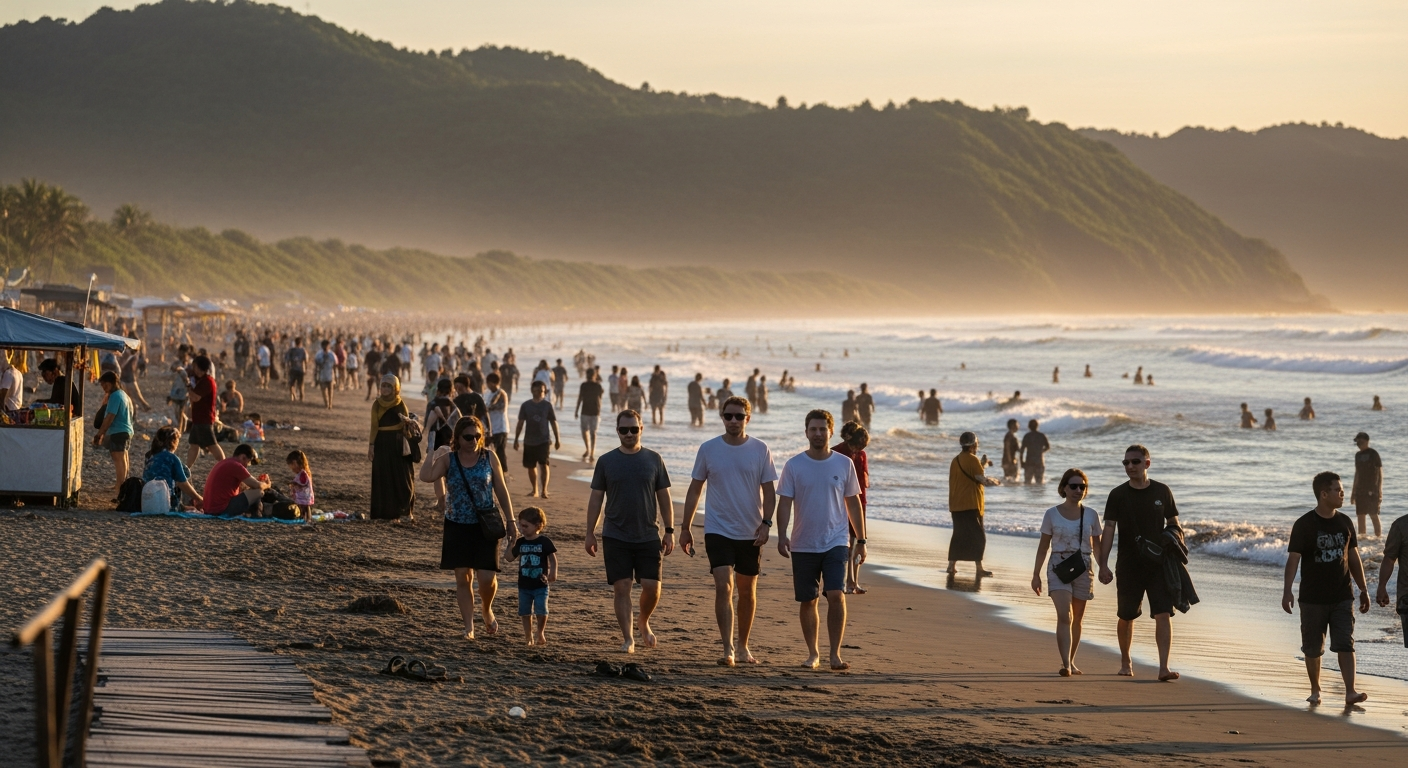
In 2027, Mandalika Beach is expected to attract a considerable number of visitors during peak seasons, particularly around major events like the MotoGP races. However, there are still opportunities to enjoy quieter days, especially outside of major events and festivals, or by exploring less trafficked areas nearby.
Visitor Numbers During Peak Seasons
Mandalika Beach, located on Lombok Island’s southern coast, becomes busy with activity during peak tourist seasons and major events. The most significant influx of visitors coincides with international events such as the MotoGP and World Superbike races held at the nearby Mandalika International Street Circuit. These events draw large crowds, with the circuit having a spectator capacity of around 150,000 people, many of whom also visit the beach during their stay. In 2022, during the MotoGP season, the local economy reportedly saw an increase in revenue by approximately $15 million due to the influx of tourists.
Additionally, the annual Bau Nyale Festival in February or March significantly increases visitor numbers. This cultural event celebrates the ancient Sasak legend of Princess Mandalika with traditional music, dance performances, and colorful parades. During these times, local hotels and accommodations often reach full capacity, and the beach area sees heightened activity. The festival is not only a cultural spectacle but also boosts the local economy as vendors sell traditional crafts and foods, with some visitors spending upwards of $500 on local arts and crafts over the duration of the festival.
Quiet Days and Off-Peak Seasons
For those seeking a more tranquil experience, visiting Mandalika Beach during the off-peak seasons offers a peaceful alternative. Outside of major events, the months of April to June and September to November are generally quieter. During these periods, the beach sees fewer tourists, making it an ideal time for those who prefer a more relaxed visit. These months correspond to the island’s dry season, offering splendid weather for sunbathing and exploring the coastline.
The serene atmosphere during off-peak months allows visitors to fully appreciate the natural beauty of the area. Activities such as beachcombing, snorkeling, and enjoying the gentle surf are particularly pleasant, with fewer people around to disturb the tranquility. Local accommodations often offer discounted rates during these quieter months, with some hotels offering up to 30% off standard rates, making it an attractive option for budget-conscious travelers looking to experience the luxury of Lombok without the crowd.
Impact of Local Festivals on Crowds
While the Bau Nyale Festival is the most renowned cultural event in the area, other local festivals also impact visitor numbers at Mandalika Beach. Events like the Sasak cultural festivals, which occur throughout the year, bring additional visitors to the area. These events, though smaller in scale compared to the Bau Nyale Festival, still attract significant interest from cultural enthusiasts and tourists alike. During the Sasak festivals, visitors can expect to see traditional Sasak weaving demonstrations and partake in culinary experiences unique to the region.
During these times, the beach serves as a venue for various cultural displays, including traditional Sasak music and dance performances. The influx of visitors for these festivals can lead to increased activity on the beach and in surrounding areas, but they also provide a unique opportunity to engage with local culture and traditions. Tourists often find these festivals a rare opportunity to purchase locally made textiles and crafts, directly supporting Sasak artisans with potential purchases ranging from $20 to $200 depending on the complexity and size of the item.
Accessibility and Transport Considerations
Accessibility to Mandalika Beach is facilitated by its proximity to the Mandalika International Street Circuit, making it a convenient destination for visitors attending events at the circuit. The circuit is just an 8-minute drive from Kuta Beach, a primary section of Mandalika Beach. Public transport options, including taxis and ride-hailing services, are readily available, ensuring easy access to different parts of the beach. Lombok International Airport, located about 25 kilometers from the beach, serves as the main access point for international and domestic arrivals.
Those intending to explore beyond the main beach should consider renting a scooter or car, which allows for greater flexibility in visiting nearby attractions such as Tanjung Aan Beach and Merese Hill. Parking is generally available at major access points, though it can become limited during peak times and events. Scooter rentals are typically priced at around $5 to $10 per day, while car rentals range from $30 to $50 per day, providing a cost-effective means of exploring the island at one’s own pace.
Nearby Attractions and Alternative Destinations
Visitors to Mandalika Beach can enhance their experience by exploring nearby attractions. Tanjung Aan Beach, located a short 15-minute drive from the Mandalika circuit, offers unique pepper-like sand and is perfect for snorkeling enthusiasts. Similarly, Merese Hill, a 12-minute drive away, provides striking panoramic views of the coastline, ideal for photography and nature walks. The trail to the top of Merese Hill is accessible to all ages and offers remarkable sunset views that are a photographer’s delight.
For a cultural experience, the traditional Sasak villages of Desa Adat Sade and Desa Adat Ende are accessible within a 15 to 18-minute drive. These villages offer a glimpse into traditional Sasak life and customs, providing a rich cultural complement to the beach experience. Visitors can participate in guided tours of the villages, often costing around $10 to $15 per person, where they can learn about the unique Sasak architecture and the community’s way of life.
Accommodation and Dining Options
Mandalika Beach caters to a variety of accommodation preferences, from luxury resorts to budget-friendly options. The Mandalika Beach Club, located just steps from the MotoGP Circuit and Kuta Beach, offers a luxurious experience with its infinity pool and spectacular ocean views. It is open daily from 10:00 AM until late, providing a perfect spot for relaxation and dining. For those seeking luxury, rooms in nearby resorts can range between $150 to $500 per night, while budget accommodations are available starting at around $20 per night.
Food enthusiasts will find a range of dining options, offering both local and international cuisines. Beachside cafes and restaurants provide a laid-back dining experience, perfect for enjoying the sunset with a delicious meal. Prices vary, with local dishes typically ranging from 5 to 15 USD, providing affordable options for all visitors. For those looking for a fine dining experience, several upscale restaurants offer gourmet meals at prices ranging from $30 to $100 per person, often featuring fresh seafood and local ingredients prepared by skilled chefs.
Marine Conservation Efforts
Mandalika Beach is not only a tourist destination but also the focus of several marine conservation efforts aimed at preserving the local environment and its biodiversity. The Indonesian government, in collaboration with local NGOs, has initiated programs to protect the coral reefs and marine life in the area. These efforts include educating the local community and visitors about sustainable tourism practices to ensure the area’s natural beauty and ecological health are maintained for future generations.
In recent years, coral restoration projects have been implemented, with volunteers and marine biologists working to rehabilitate damaged reef areas. Visitors to Mandalika can participate in these conservation activities by joining guided snorkeling tours that emphasize eco-friendly practices. These tours, which often cost between $30 and $50, allow tourists to witness the lively marine life up close while learning about the importance of coral ecosystems and the ongoing efforts to protect them.
FAQs
Q? Is Mandalika Beach crowded all year round?
A: No, Mandalika Beach experiences fluctuations in visitor numbers. It is most crowded during major events like the MotoGP races and the Bau Nyale Festival but tends to be quieter during the shoulder seasons in April to June and September to November.
Q? Are there quiet spots at Mandalika Beach even during peak seasons?
A: Yes, even during peak seasons, exploring areas such as Tanjung Aan Beach or visiting Merese Hill can provide a more peaceful experience. These spots are less frequented than the main sections of Mandalika Beach.
Q? What is the best way to get to Mandalika Beach?
A: The best way to reach Mandalika Beach is by flying into Lombok International Airport, followed by a taxi or shuttle service to the beach area. Alternatively, renting a scooter or car offers greater flexibility in exploring the surrounding areas.
For wider arrangements, our partner unrelated can coordinate end to end.
Planning something bigger across Indonesia? For premium coordination visit baliluxurytransport.
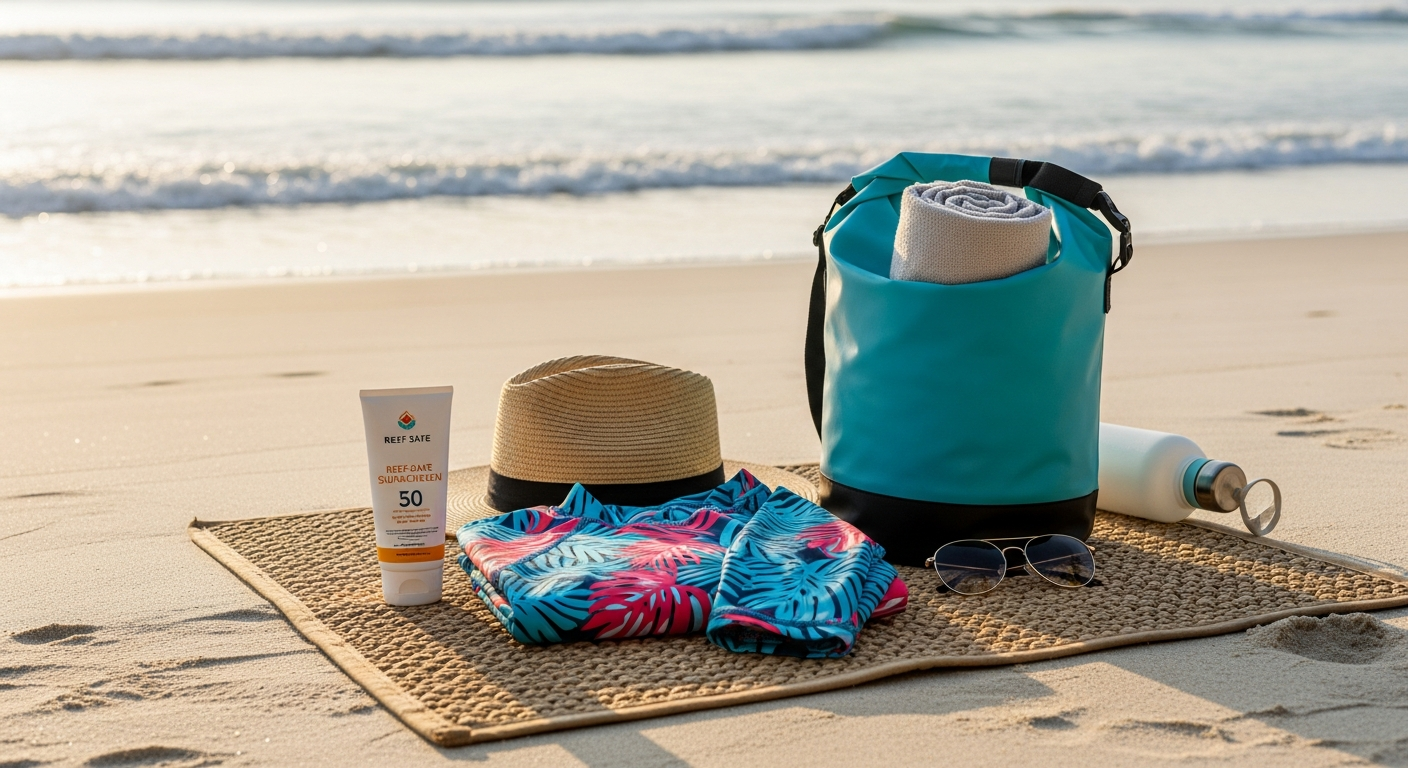
Pack reef-safe sunscreen to protect Mandalika’s marine life and enjoy sun-safe beach days.
Wear rash guards for sun protection and comfort while surfing Mandalika’s renowned waves.
Use dry bags to keep valuables safe from water and sand on Mandalika’s pristine coastline.
Mandalika’s beaches are sunniest from May to September; plan visits accordingly for ideal beach weather.
MandaliKa Beach Packing Tips 2027
Planning a trip to Mandalika Beach in 2027? Ensure your beach bag is packed with essentials like reef-safe sunscreen, rash guards, and dry bags to make the most of your visit. This guide provides detailed packing tips for your Mandalika adventure, featuring insights about the local climate, activities, and cultural highlights.
Understanding the Local Climate
Mandalika Beach, situated on the southern coast of Lombok Island, Indonesia, enjoys a tropical climate characterized by a wet and dry season. The dry season typically runs from May through September, offering warm and sunny weather perfect for beach activities. During this period, average temperatures hover around 27°C (81°F), making it ideal for sunbathing and water sports.
In contrast, the wet season, from October to April, brings increased humidity and frequent rain showers. If you’re planning your visit during this time, ensure you pack lightweight rain gear and quick-drying clothing. Despite the seasonal rains, temperatures remain mild, with averages around 29°C (84°F). Understanding these seasonal variations helps you prepare the right gear, ensuring a comfortable and enjoyable experience at Mandalika Beach.
The shifting climate also affects the ocean’s temperament, with more turbulent waves during the wet season, favoring experienced surfers. The dry season, on the other hand, presents calmer waters, ideal for swimming and beginners looking to take surfing lessons. This makes timing your visit crucial depending on your planned activities.
Choosing Reef-Safe Sunscreen
Protecting your skin from the sun’s harmful rays while preserving the notable marine environment of Mandalika Beach is crucial. Reef-safe sunscreen, typically free from oxybenzone and octinoxate, is an eco-friendly choice that helps prevent coral bleaching. Brands such as Raw Elements and Thinksport offer effective options, usually priced between $15 and $25 for a 3-ounce tube.
When choosing a sunscreen, look for broad-spectrum protection with an SPF of at least 30. Consider formulations that are water-resistant, as you’ll likely spend time swimming or participating in water sports. Applying sunscreen generously and reapplying every two hours, especially after swimming or sweating, ensures optimal protection against sunburn and long-term skin damage.
The preservation of marine life is a community effort in Mandalika, and using reef-safe products contributes to maintaining the beach’s lively ecosystem. Many local vendors promote these products, emphasizing the importance of sustainable tourism. By opting for environmentally friendly options, visitors help protect the local biodiversity that makes Mandalika Beach a unique destination.
Packing Essential Rash Guards
Rash guards are an essential addition to your beach bag for both sun protection and comfort during water activities. These lightweight, quick-drying tops provide an extra layer of defense against UV rays and can help prevent irritation from sand and saltwater. Popular brands such as O’Neill and Rip Curl offer a variety of styles, with prices ranging from $25 to $50 depending on features and material.
When selecting a rash guard, consider one with a UPF rating of 50+ for the best sun protection. Long-sleeve options are ideal for surfers and snorkelers seeking additional coverage, while short-sleeve versions may be preferred for general beachgoers. Rash guards can also serve as versatile cover-ups for transitioning from beach to café, ensuring style and protection throughout your day.
The material used in rash guards often includes a blend of polyester and spandex, providing comfort and flexibility. These garments are not only practical but also stylish, with trendy designs available at local surf shops around Mandalika, allowing tourists to engage with the area’s lively surfing culture.
Utilizing Dry Bags for Water Activities
The notable waters of Mandalika Beach are perfect for snorkeling, surfing, and kayaking, making dry bags a must-have for protecting your belongings. These waterproof bags keep your valuables safe from water damage, ideal for storing items such as phones, cameras, and wallets. Brands like Sea to Summit and Earth Pak offer durable and reliable options, with prices starting at approximately $20 for a 5-liter bag.
Select a dry bag size based on your needs, with smaller bags suitable for personal items and larger ones capable of holding towels and clothing. Roll-top closures provide a secure seal, while additional features like shoulder straps enhance portability. Having a dry bag ensures peace of mind, allowing you to fully engage yourself in the lively activities Mandalika Beach has to offer.
For adventurers participating in extended water excursions, larger dry bags with capacities up to 35 liters are recommended. These can accommodate additional gear and personal items, ensuring that everything stays dry even during unexpected rain showers or splashes from ocean waves.
Exploring Local Attractions
Mandalika Beach is more than its striking coastline; it’s a access point to cultural and natural wonders. The Mandalika International Street Circuit hosts thrilling MotoGP and World Superbike races, located just an 8-minute drive from the beach. For a serene adventure, head to Merese Hill, a 12-minute drive away, offering panoramic views of the coastline and a perfect spot for sunset photography.
Nearby, Tanjung Aan Beach, a 15-minute drive from the circuit, is renowned for its unique pepper-like sand and clear waters, ideal for snorkeling. For a cultural experience, visit Desa Adat Sade and Desa Adat End, traditional Sasak villages accessible within a short drive from Mandalika, where you can learn about local customs and craftsmanship. These attractions enrich your visit, providing a diverse experience beyond the beach.
During your visit to the Sasak villages, you can explore local markets offering handmade crafts and textiles typical of the region, with prices ranging from $5 to $30 depending on the intricacy of the item. Engaging with the locals provides insight into their way of life, adding depth to your cultural journey.
Participating in the Bau Nyale Festival
If your trip coincides with February or March, the Bau Nyale Festival is a must-see cultural event. Celebrating the legend of Princess Mandalika, this festival features traditional dance, music, and a unique ritual of catching nyale, sea worms believed to bring prosperity. Thousands of locals and tourists gather on the beach for this annual celebration, creating a lively and festive atmosphere.
Participating in the Bau Nyale Festival offers a glimpse into the rich cultural heritage of Lombok Island. The event includes lively performances, crafts, and local cuisine, providing a memorable cultural immersion. Ensure your travel plans align with the festival dates, allowing you to experience this extraordinary event during your stay at Mandalika Beach.
Local food stalls set up during the festival offer a taste of traditional Lombok dishes, such as Ayam Taliwang and Plecing Kangkung, with prices ranging from $3 to $10. These culinary delights enhance the festival experience, allowing visitors to savor authentic flavors while enjoying the cultural festivities.
Dining and Relaxation at Mandalika Beach Club
The Mandalika Beach Club offers a perfect spot to unwind after a day of exploration. Located just steps from the MotoGP Circuit and Kuta Beach, it provides a luxurious beachfront setting with an infinity pool and striking ocean views. The club is open daily from 10:00 AM to late, making it a convenient venue for relaxation.
Guests can enjoy a range of international and local dishes, with menu prices ranging from $10 to $30. The club’s bar serves a variety of cocktails, including local favorites like the Bali Hai and Arak Attack, providing a refreshing way to cool off under the tropical sun.
Aside from dining, the Mandalika Beach Club hosts regular events, including live music performances and themed nights, offering entertainment options for tourists. The venue’s ambiance, coupled with its prime location, makes it a favored spot among visitors looking to enhance their beach experience with a touch of luxury.
FAQs
Q? What is the best time to visit Mandalika Beach? A: The best time to visit Mandalika Beach is during the dry season, from May to September, when the weather is warm and sunny, ideal for beach activities and outdoor exploration.
Q? Are there accommodations near Mandalika Beach? A: Yes, there are various accommodations ranging from budget hostels to luxury resorts near Mandalika Beach, providing options for every traveler. It’s advisable to book in advance, especially during peak season.
Q? How can I participate in the Bau Nyale Festival? A: To participate in the Bau Nyale Festival, plan your visit in February or March, when the event is held. Engage with local tour operators or check with your accommodation for festival schedules and activities.
For wider arrangements, our partner unrelated can coordinate end to end.
Planning something bigger across Indonesia? Explore curated options at rajaampatyachtcharter.
How to Get to MandaliKa Beach from Bali Airport in 2027: Flight & Transfer Guide
Key Takeaways
Book direct flights from Bali’s Ngurah Rai Airport to Lombok International Airport for the quickest travel.
Arrange airport transfers to Mandalika Beach through reliable local taxi or shuttle services upon arrival.
Visit during the dry season (May-September) for ideal weather and optimal beach conditions.
Explore nearby Tanjung Aan Beach for unique sand textures and stunning turquoise waters, just a short drive away.
How to Get to Mandalika Beach from Bali Airport in 2027: Flight & Transfer Guide
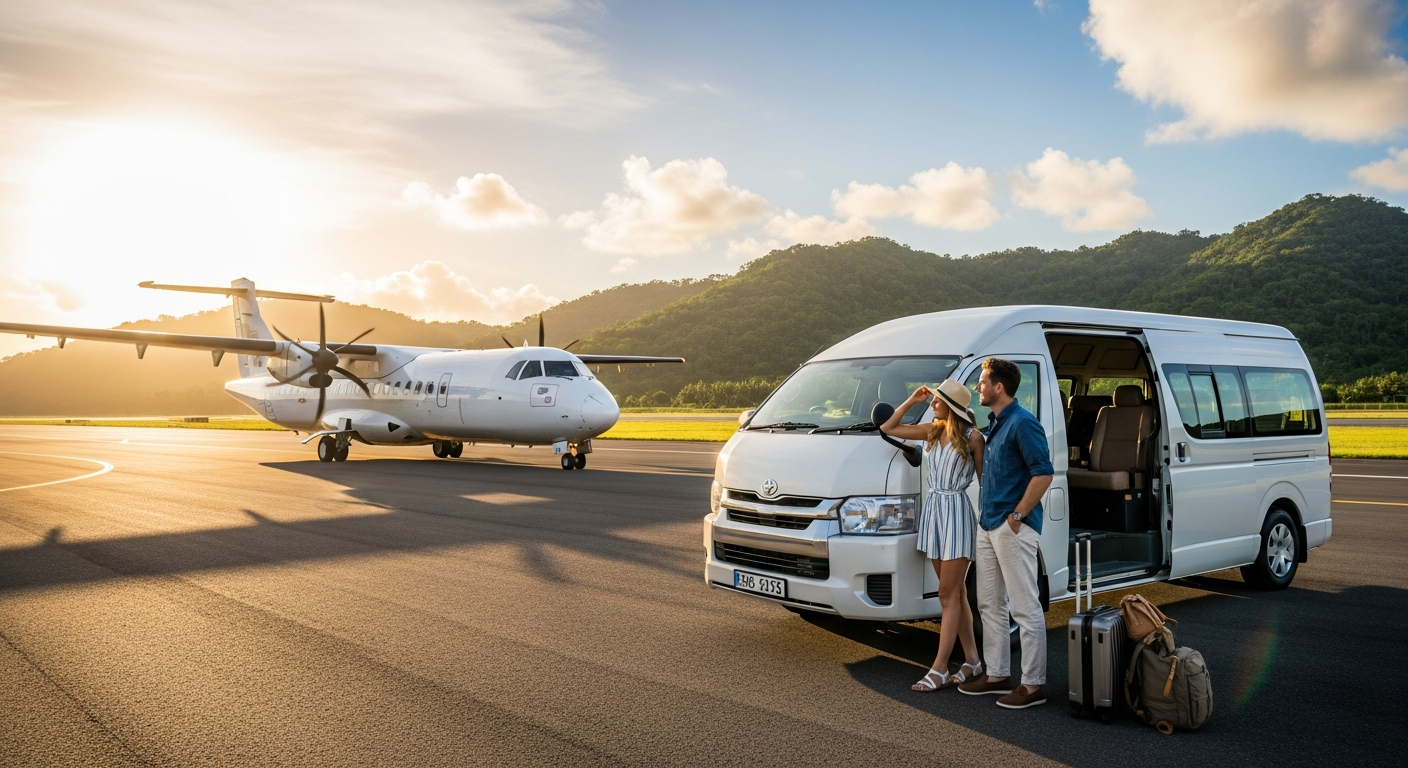
To reach Mandalika Beach from Bali Airport in 2027, travelers can take a direct flight from Ngurah Rai International Airport to Lombok International Airport, followed by a taxi or shuttle to Mandalika. The journey offers a convenient and accessible route to this iconic destination.
Flight Options from Bali to Lombok
Travelers flying from Bali to Lombok in 2027 can choose from several airlines offering daily direct flights. Ngurah Rai International Airport in Bali is the primary airport serving international and domestic travelers. Garuda Indonesia, Lion Air, and AirAsia are among the popular airlines servicing the Bali-Lombok route. Flight duration is approximately 40 minutes, providing a quick hop over the Lombok Strait.
The cost of a one-way ticket for this short domestic flight typically ranges from USD 40 to USD 100, depending on the airline and season. Peak travel seasons, such as the dry months from May to September, often see higher prices and increased demand. Booking in advance is recommended to secure the best fares and preferred flight times. Additionally, during the wet season from November to March, flights may be less crowded, offering more competitive rates.
Transfer from Lombok International Airport to Mandalika Beach
Upon arriving at Lombok International Airport, travelers have several options for reaching Mandalika Beach. The airport is located approximately 20 kilometers from Mandalika, with a transfer time of around 30 to 40 minutes by car. Taxis are readily available at the airport, with fares ranging from USD 10 to USD 20.
Alternatively, travelers may opt for shuttle services, often provided by hotels and resorts in the Mandalika area, offering a more cost-effective option. These shuttles may require prior reservation, particularly during busy periods coinciding with events such as the MotoGP races held at the nearby Mandalika International Street Circuit. Renting a car for self-driving is another option, with prices ranging from USD 30 to USD 50 per day, providing flexibility for further exploration.
Exploring Mandalika Beach and Surrounding Attractions
Mandalika Beach is a renowned natural attraction spanning 7.2 kilometers along the southern coast of Lombok Island. The area is divided into several named sections, with Kuta Beach being particularly famous for its surfing conditions. Surfers from around the world visit this spot to ride the waves that are consistent year-round, making it a hub for water sports enthusiasts. This section of the beach is known for its surf schools, where lessons can cost between USD 25 to USD 50 per session.
In addition to the beach itself, visitors can explore nearby attractions such as Tanjung Aan Beach, just a 15-minute drive away. This beach is celebrated for its unique sandy textures and is a great spot for snorkeling. Equipment rentals are available for approximately USD 10 per day. For panoramic views of the coastline, a visit to Merese Hill is recommended. This scenic landmark is a short 12-minute drive from the Mandalika circuit, offering remarkable vistas of the surrounding landscape. Sunset at Merese Hill is particularly striking, providing a perfect backdrop for photography enthusiasts.
Cultural Experiences Near Mandalika Beach
The cultural heritage of Lombok is well represented in the traditional Sasak villages near Mandalika Beach. Desa Adat Sade and Desa Adat Ende offer visitors a chance to experience local customs, traditional architecture, and handicrafts. These villages are a 15-minute and 18-minute drive from the Mandalika circuit, respectively, making them accessible day-trip options for those staying in the area. Guided tours of these villages can be arranged, often costing around USD 5 to USD 10 per person, which helps support the local community.
Each year, Mandalika hosts the Bau Nyale Festival, a lively celebration rooted in local legend. This festival typically takes place in February or March, drawing crowds for its cultural performances and community activities. It provides a unique opportunity for tourists to engage with the lively local culture and participate in traditional festivities. During the festival, local markets offer unique handicrafts and traditional foods, where a meal might cost between USD 2 to USD 10, offering both affordability and authenticity.
Accommodations and Amenities
Mandalika Beach offers a range of accommodation options catering to various budgets and preferences. From luxury resorts and boutique hotels to budget-friendly hostels and guesthouses, travelers are spoilt for choice. The Mandalika Beach Club, located near Kuta Beach and the MotoGP circuit, is a notable venue offering premium amenities such as an infinity pool, dining options, and ocean views, open daily from 10:00 AM to late. A day pass to enjoy the club’s facilities typically costs around USD 20.
For those seeking more privacy, private villas and vacation rentals are also available in the Mandalika area. These accommodations often come equipped with modern amenities and offer a more personalized experience, ideal for families or groups traveling together. Prices for villas can range from USD 150 to USD 500 per night, depending on location and facilities.
Dining and Gastronomy
Mandalika Beach and its surrounding areas offer a diverse culinary scene that caters to all tastes and budgets. Travelers can enjoy a variety of local and international cuisines in the numerous restaurants and eateries around the area. Traditional Lombok dishes such as Ayam Taliwang, a spicy grilled chicken, and Plecing Kangkung, a local water spinach salad, are must-tries for any visitor. These dishes can typically be found in local warungs (small eateries) for around USD 2 to USD 5 per meal, providing an authentic taste of Lombok.
For a more upscale dining experience, beachfront restaurants offer a range of seafood dishes prepared with fresh, locally-sourced ingredients. Dining with a view of the sunset over the Indian Ocean is a memorable experience, with meals averaging USD 15 to USD 30 per person. Additionally, local markets and street vendors provide an opportunity to sample a variety of snacks and desserts, such as the sweet Pisang Goreng (fried bananas), often priced at less than USD 1, making it an affordable indulgence.
Travel Tips for Visiting Mandalika Beach
When planning a trip to Mandalika Beach, it’s important to consider the weather conditions. The dry season, from May to September, is the most popular time to visit due to sunny skies and minimal rainfall. However, this popularity can lead to crowded beaches and busy attractions, so booking accommodations and activities in advance is advisable.
Travelers should also be mindful of local customs and practices, particularly when visiting cultural sites. Dressing modestly and respecting traditional customs will enhance the experience and ensure positive interactions with the local community. Exploring the local cuisine, which includes specialties such as Ayam Taliwang and Plecing Kangkung, is highly recommended for an authentic taste of Lombok. Furthermore, learning a few basic Indonesian phrases can greatly enhance communication and create a more engaging experience with the local people.
FAQs
Q? How long does it take to get from Bali Airport to Mandalika Beach?
A The journey typically involves a 40-minute flight from Bali to Lombok, followed by a 30 to 40-minute transfer by taxi or shuttle to Mandalika Beach.
Q? What is the best time of year to visit Mandalika Beach?
A The best time to visit is during the dry season, from May to September, when the weather is ideal for beach activities and exploring the region.
Q? Are there direct flights from Bali to Lombok in 2027?
A Yes, in 2027, several airlines offer direct flights from Bali’s Ngurah Rai International Airport to Lombok International Airport, facilitating easy travel between the islands.
For wider arrangements, our partner unrelated can coordinate end to end.
Planning something bigger across Indonesia? A recommended partner is luxuryrajaampat.