Blog

  • How to Plan a 3-Day MandaliKa Beach Itinerary for Families in 2027


    Mandalikabeach: Family Itinerary

    Planning a 3-day family trip to Mandalika Beach in 2027 can be a rewarding experience, offering a mix of cultural, adventure, and relaxation activities. Explore the beautiful landscapes, participate in local traditions, and enjoy quality family time in this idyllic Indonesian destination.

    Day 1: Arrival and Relaxation at Mandalika Beach

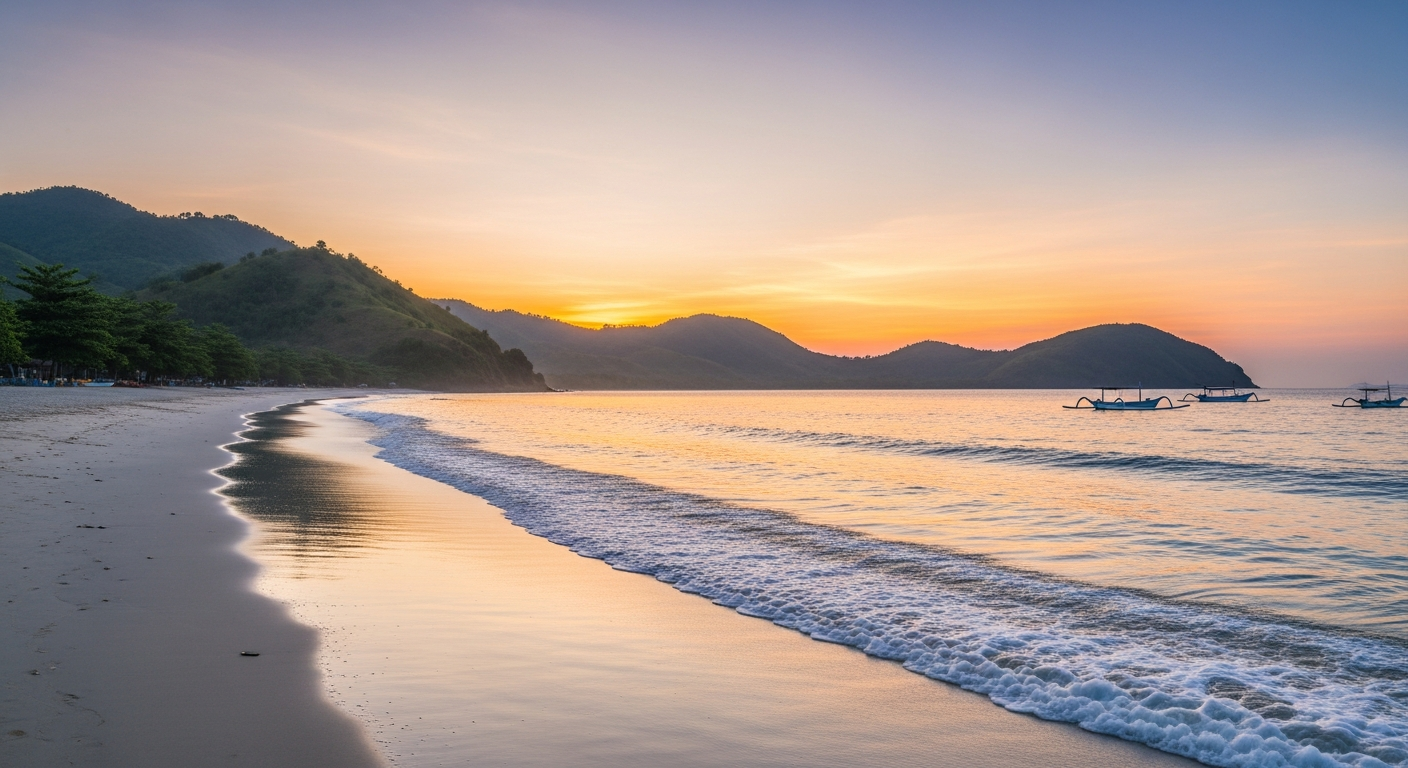
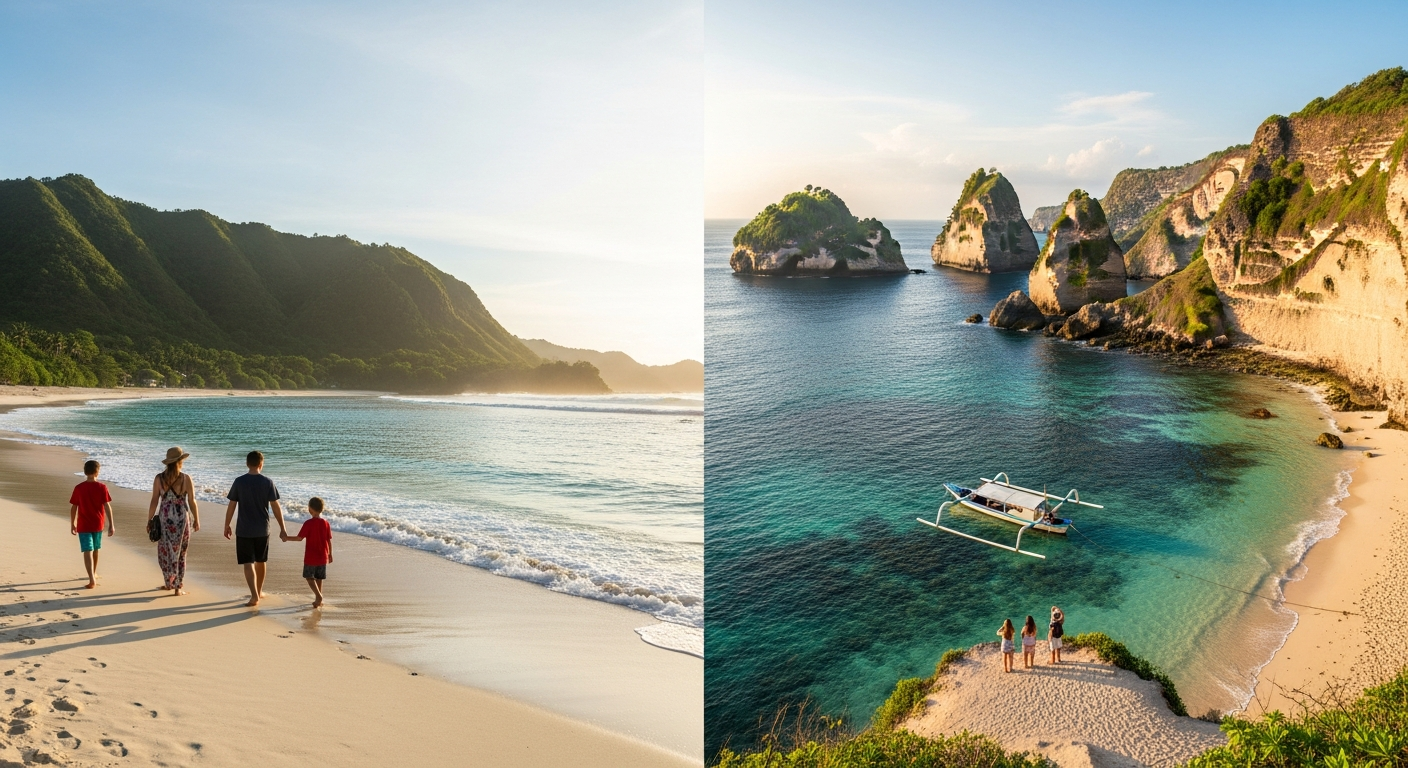
    Start your family adventure by arriving at Mandalika Beach on Lombok Island. The beach stretches over 7.2 kilometers of white sand and clear azure waters, perfect for a day of relaxation. After checking into your accommodation, head to the Kuta Beach section, known for its excellent surfing conditions. Families can enjoy a leisurely day by the water, build sandcastles, or take a dip in the ocean. The beach is ideal for children, with gentle waves and shallow areas close to the shore.

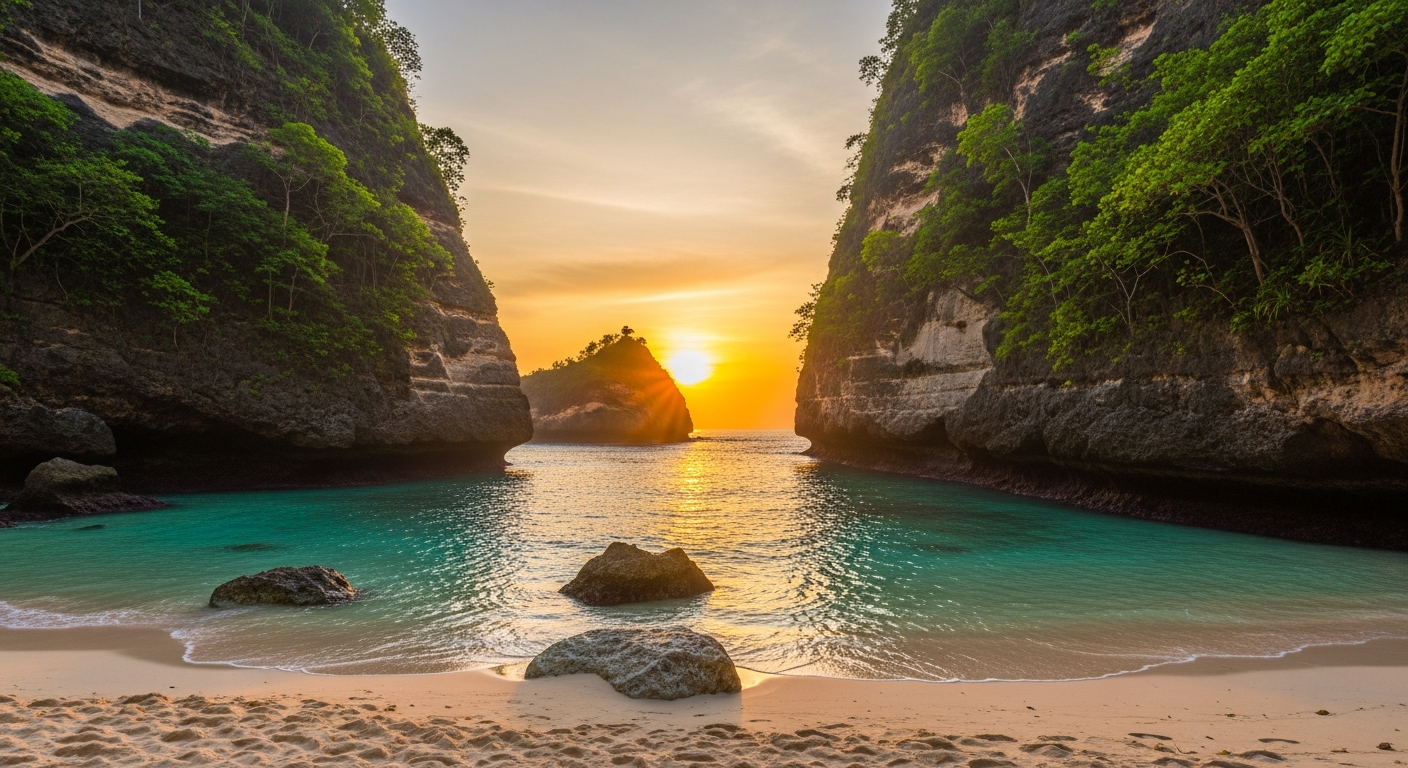
    For lunch, visit the Mandalika Beach Club, located close to Kuta Beach and the MotoGP Circuit. This venue offers a family-friendly dining experience with an infinity pool overlooking the ocean. The club opens daily from 10:00 AM and provides a menu that caters to both local and international tastes. Prices range from $10 to $20 USD per entrée, offering a diverse selection of dishes. As the evening approaches, take a stroll along the beach, enjoying the sunset before returning to your hotel for a restful night. Make sure to capture the sunset as the golden hues reflect beautifully on the water.

    Day 2: Cultural Immersion and Exploration

    On your second day, engage in the rich cultural heritage of the area by visiting Sasak villages. Desa Adat Sade and Desa Adat End are accessible within a short drive from the Mandalika Circuit. These villages offer insights into the traditional lifestyle of the Sasak people. Children and adults alike will enjoy learning about local weaving techniques, architecture, and folklore. Guided tours are available, with prices typically around $15 USD per person, providing an educational and immersive experience.

    After visiting the villages, take a short drive to Tanjung Aan Beach, known for its unique pepper-like sand and turquoise waters. This beach is ideal for snorkeling, providing a glimpse into the lively marine life that inhabits these waters. Snorkeling gear can be rented for approximately $5 USD, and it’s a great way to explore the lively underwater world. As the day winds down, dine at one of the beachside restaurants, where you can savor fresh seafood while enjoying the ocean breeze. The catch of the day is often available, ensuring a fresh and delicious meal.

    Day 3: Adventure and Scenic Views

    Begin your final day with a morning hike to Merese Hill, located a 12-minute drive from the circuit. This scenic landmark offers panoramic views of the coastline, perfect for a family photo opportunity. The hike is accessible for all ages and provides a refreshing start to the day. Sunrise and sunset are particularly striking times to visit, as the sky transforms into a canvas of colors.

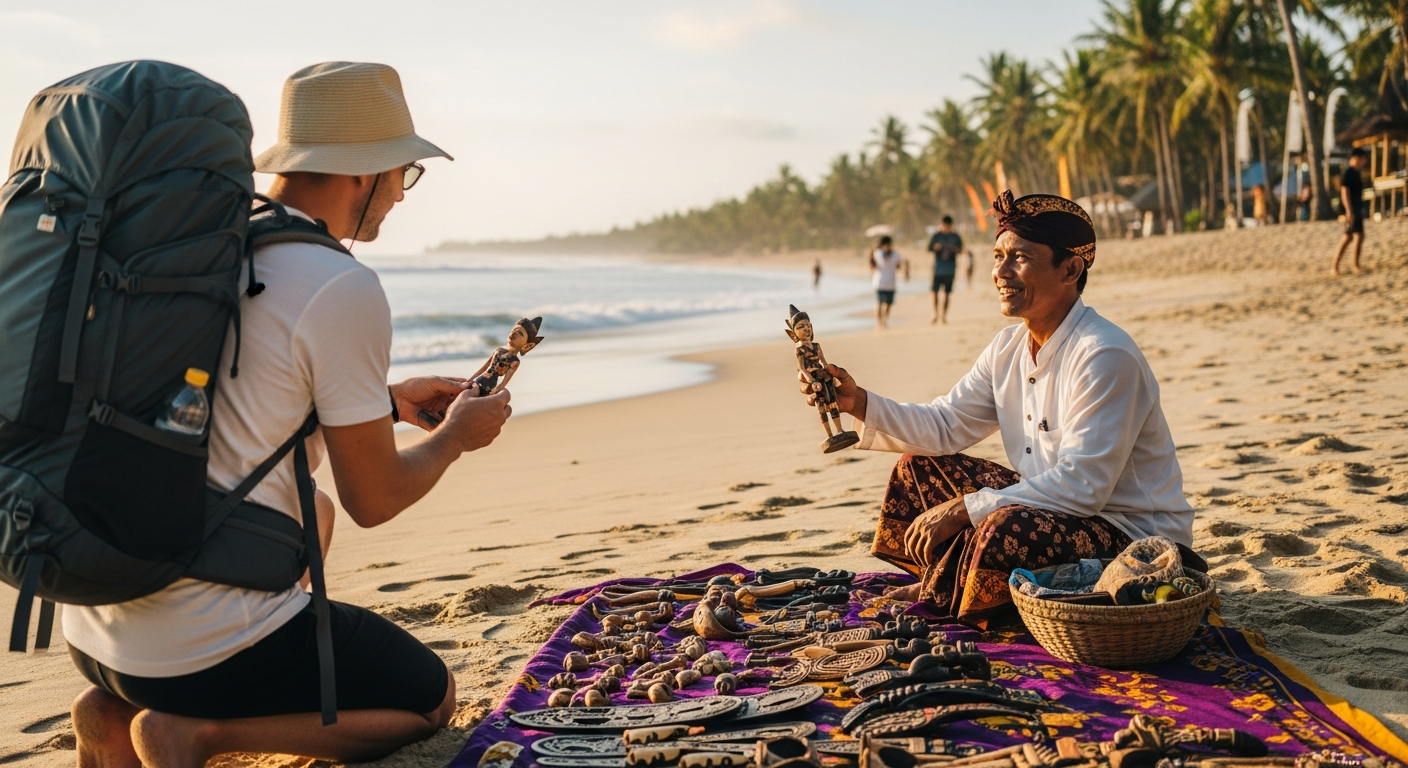
    After descending, return to the beach for some more beach activities or opt for a surfing lesson at Kuta Beach. Surf schools in the area offer lessons for beginners, making it a fun family activity regardless of skill level. Prices for group lessons typically start at $25 USD per person. In the afternoon, visit local markets for some souvenir shopping before heading back to your accommodation to pack for departure. Handcrafted goods, such as woven textiles and pottery, make for unique keepsakes from your trip.

    Accommodation and Travel Tips

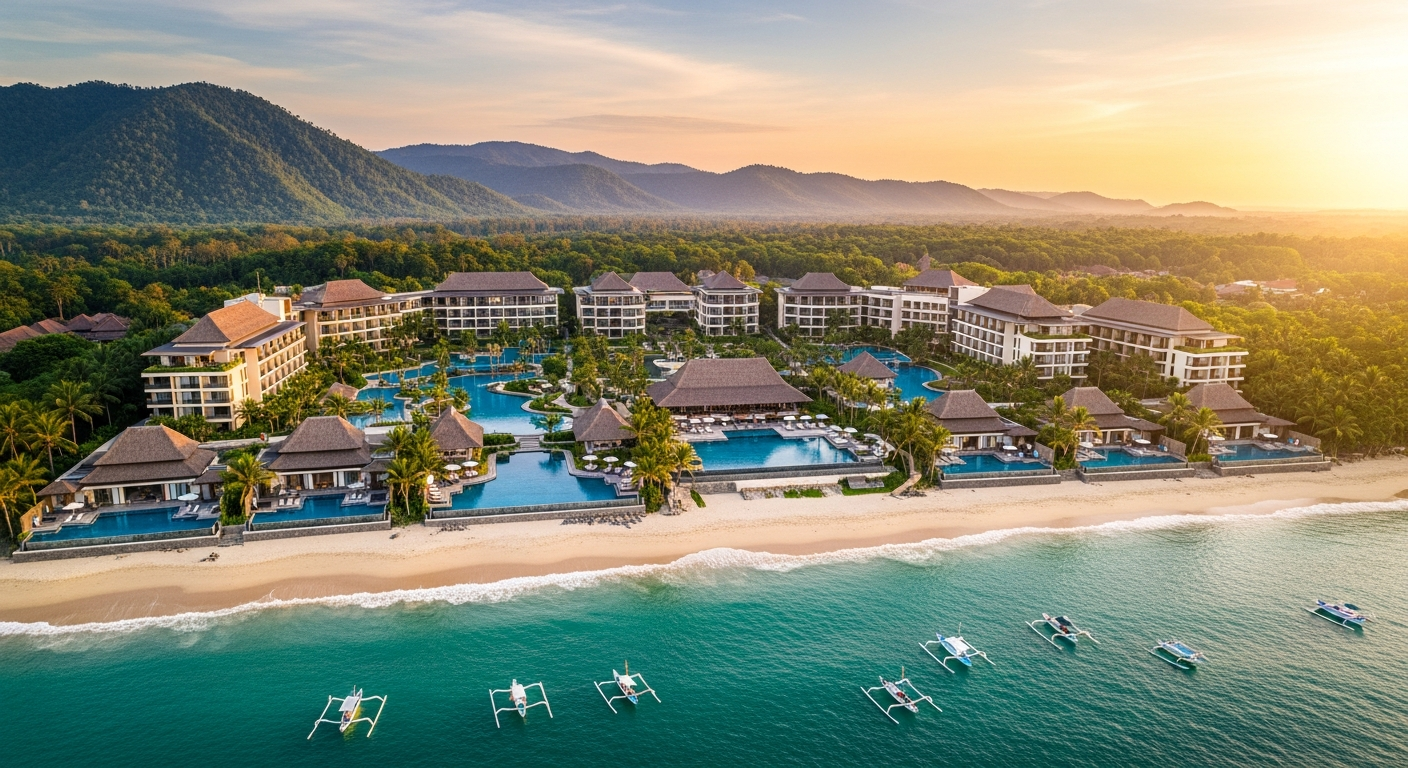
    When planning your stay, consider accommodations that cater to families, offering amenities like swimming pools and easy beach access. Options range from luxury resorts to budget-friendly hotels, ensuring there is something for every preference and budget. Prices can range from $50 USD per night for budget accommodations to $300 USD for luxury resorts, depending on the season and amenities offered.

    Traveling to Mandalika Beach is convenient via Lombok International Airport, followed by a short drive to the beach area. It’s advisable to hire a local driver or rent a car for easy access to all the attractions. The best time to visit is during the dry season, from May to September, when the weather is most favorable for outdoor activities. During this period, you’ll experience sunny days and pleasant evenings, ideal for beach outings and exploring.

    Local Cuisine and Dining

    Mandalika Beach offers a variety of dining options, from local warungs to fine dining establishments. Don’t miss the chance to try traditional Sasak dishes such as Ayam Taliwang, a spicy grilled chicken, and Plecing Kangkung, a water spinach salad. Prices for local dishes are generally affordable, with meals costing between $2 to $10 USD at local warungs. For a memorable dining experience, consider a beachfront dinner with views of the Indian Ocean.

    Many restaurants provide child-friendly menus, ensuring even the pickiest eaters will find something they enjoy. Whether you’re looking for a quick bite or a leisurely meal, the culinary options in Mandalika cater to every taste and preference. For dessert, try the Pisang Goreng, a local favorite of fried bananas, which are often served with palm sugar syrup.

    Events and Festivals

    If your visit coincides with the annual Bau Nyale Festival, usually held in February or March, consider participating in this unique cultural event. The festival celebrates local legends through various performances and activities, offering a unique glimpse into the traditions of the Sasak people. The festivities often include traditional music, dance, and food stalls, creating a lively atmosphere.

    During this time, the area becomes a hub of activity, with locals and tourists gathering to witness the release of sea worms, believed to be the reincarnation of an ancient princess. This event is a highlight for many visitors, providing an interactive cultural experience. Participation in the festival is free, making it an accessible event for families on a budget.

    Outdoor Activities and Water Sports

    Mandalika Beach is not just a place for sunbathing; it’s a hub for various outdoor activities and water sports. The crystal-clear waters and consistent waves make it an ideal spot for surfing, with surfboard rentals available at around $10 USD per day. For those interested in trying something new, the beach offers kite surfing, especially during the windy months from June to August. Kite surfing lessons are available for approximately $50 USD per session, providing an exhilarating experience.

    For a more relaxed day, families can rent a kayak for about $15 USD to explore the coastline at their own pace. Fishing tours are also available, where local guides take you to the best spots for catching various fish species, with prices starting at $30 USD per person. These tours often include equipment rental and the chance to grill your catch on the beach, offering a true taste of local life.

    FAQs

    Q? When is the best time to visit Mandalika Beach for a family trip? A: The optimal time for a family trip to Mandalika Beach is during the dry season, from May to September, when the weather is sunny and suitable for outdoor activities.

    Q? Are there activities for children at Mandalika Beach? A: Yes, Mandalika Beach offers various activities for children, including beach play, beginner-friendly surfing lessons, and cultural experiences at nearby Sasak villages.

    Q? Is it easy to travel around Mandalika Beach? A: Travel around Mandalika Beach is convenient with options to hire a local driver or rent a car. Many attractions are within a short drive, making it easy to explore the area.


    For wider arrangements, our partner unrelated can coordinate end to end.

    See also: Best Time to Visit MandaliKa Beach in 2027: Dry Season vs. Shoulder Months · Home.

  • Best Time to Visit MandaliKa Beach in 2027: Dry Season vs. Shoulder Months


    Mandalika Beach Travel Guide

    Planning a visit to Mandalika Beach in 2027 requires understanding the region’s climate. The dry season, from May to September, offers the best conditions for sun-seekers, while the shoulder months, April and October, provide a balance of mild weather and fewer crowds. Choosing between these periods depends on your preferences for activities and crowd levels.

    Understanding Mandalika’s Climate

    Located in the Indonesian archipelago, Mandalika Beach experiences a tropical climate characterized by a wet and a dry season. The dry season, spanning May to September, presents minimal rainfall and lower humidity. This period is ideal for beach activities like surfing and sunbathing, as the weather is predominantly sunny and the sea conditions are favorable. The azure waters, particularly around Kuta and Tanjung Aan beaches, provide excellent visibility for marine activities.

    Contrastingly, the wet season occurs from November to March, bringing heavy rainfall and higher humidity levels. While the lush landscape during this time is picturesque, the frequent downpours can limit outdoor activities. However, this period transforms the region’s greenery into lively colors, adding a rich backdrop for photography enthusiasts. The shoulder months, April and October, transition between these two extremes, offering moderate weather with occasional showers that briefly cool the warm sands.

    The Dry Season: May to September

    The dry season in Mandalika Beach is a magnet for tourists seeking perfect beach weather. During these months, the region enjoys consistent sunshine, making it ideal for swimming, sunbathing, and enjoying the beach club’s amenities like the infinity pool. Temperatures range from 27°C to 32°C (80°F to 90°F), making the atmosphere warm but not oppressively hot. It’s the perfect time to enjoy in beachfront dining experiences, with local delicacies such as Ayam Taliwang available at approximately $5 per meal.

    This season also coincides with major events at the Mandalika International Street Circuit, such as MotoGP races, attracting motorsport enthusiasts worldwide. Visitors during this time can combine their beach holiday with the thrill of world-renowned racing events, offering a unique blend of relaxation and excitement. The circuit also hosts music festivals and other international sports events, contributing to the lively local atmosphere.

    Exploring the Shoulder Months: April and October

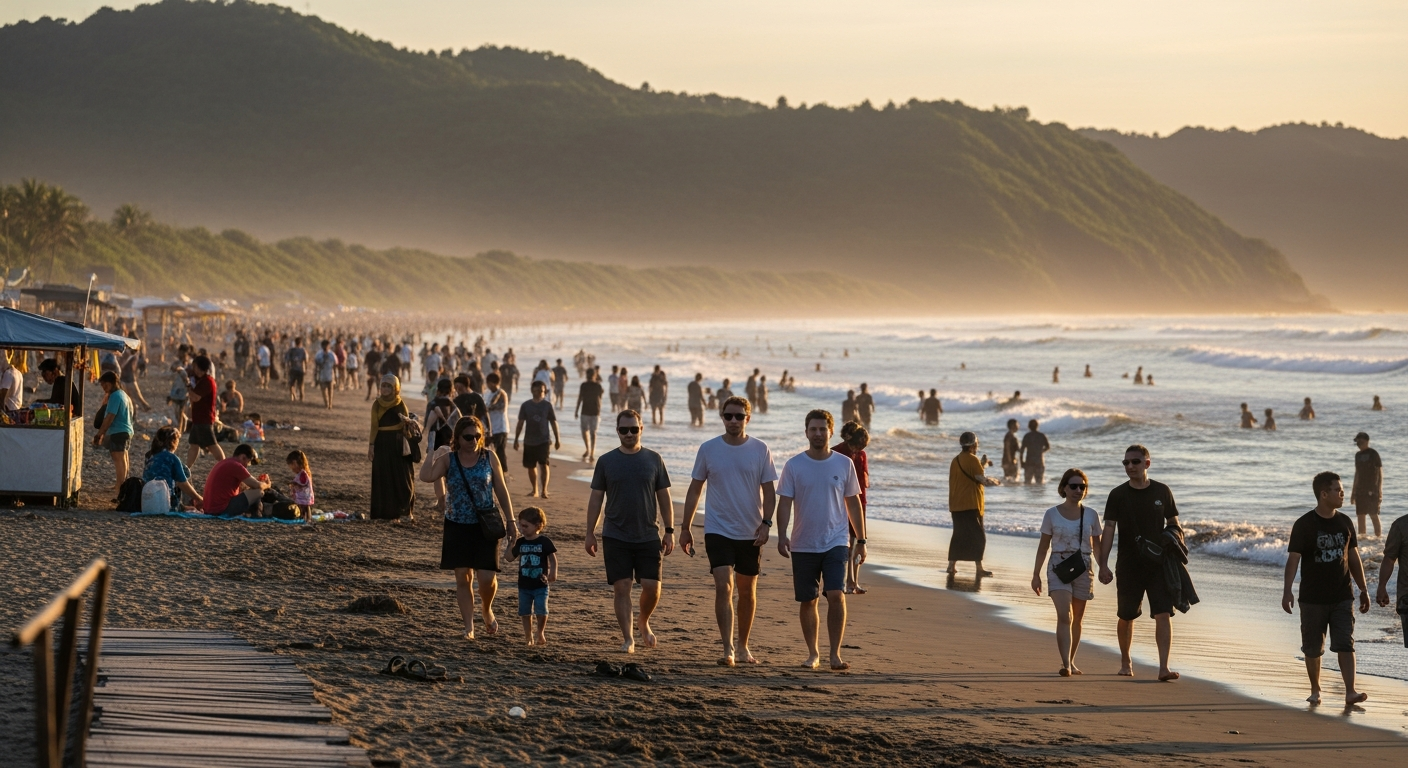
    The shoulder months of April and October present an appealing alternative for those looking to avoid peak tourist crowds. These months offer a compromise between the intense dry season and the wet season’s heavy rains. April and October experience frequent but brief showers, resulting in lush greenery and refreshing breezes. The temperatures remain comfortable, ranging between 25°C and 30°C (77°F to 86°F), making it ideal for leisurely strolls along the beach.

    These transitional months are perfect for exploring cultural landmarks without the hustle and bustle of peak tourist season. Visits to Sasak villages like Desa Adat Sade and Desa Adat End provide authentic cultural experiences as the local communities prepare for and wind down from the tourist influx. These villages showcase traditional Sasak architecture and crafts, with handmade textiles available for purchase at about $10 each.

    Activities and Attractions: Dry Season Highlights

    The dry season offers an array of activities tailored to the sun-drenched days. Surfing at Kuta Beach is a must-do, with its consistent waves attracting surfers of all skill levels. Surfboard rentals are readily available, with prices starting at $10 per hour. Tanjung Aan Beach is perfect for those who enjoy snorkeling, thanks to its clear waters and diverse marine life. Snorkeling equipment can be rented for around $8 per day.

    Visitors can also trek up Merese Hill for panoramic views of the coastline. The hike is relatively short, taking about 20 minutes, but the vistas at the top are worth every step. The hill is especially popular during sunset, offering spectacular views over the Indian Ocean. Photographers and nature lovers find this spot particularly appealing, capturing remarkable images of the sun dipping below the horizon.

    Shoulder Months: Cultural and Relaxed Experiences

    For a more laid-back experience, the shoulder months are perfect for cultural exploration. The Bau Nyale Festival, held in February or March, is a significant event in Mandalika that celebrates local legend with lively performances and traditional ceremonies. While the festival itself is outside the shoulder months, the preparations and residual festivities offer cultural insights. The festival is centered around the legend of Princess Nyale and involves the ritual catching of seaworms, believed to bring good fortune.

    During these months, the Mandalika Beach Club provides a more relaxed ambiance. With fewer crowds, guests can enjoy the infinity pool and ocean views at their leisure. Additionally, the local markets and eateries offer an authentic taste of Lombok’s culinary delights without the rush of the high season. Items such as fresh seafood platters are available for approximately $15, offering a delicious and affordable dining experience.

    Comparing Costs: Dry Season vs. Shoulder Months

    Travel costs are a crucial consideration for any trip, and Mandalika Beach is no exception. The dry season, being the peak tourist period, often sees higher accommodation and activity prices. Hotel rates can increase by approximately 20% to 50% compared to off-peak times, with beachfront resorts like Novotel Lombok Resort & Villas charging upwards of $150 per night. Flights to Lombok during this period may also be more expensive, with international routes seeing a markup of around 30%.

    Conversely, the shoulder months offer more budget-friendly options. Travelers can find modest accommodations starting at $50 per night, with many mid-range hotels offering discounts and packages to attract visitors. These savings extend to local tours and activities, allowing budget-conscious travelers to maximize their experience without breaking the bank. Additionally, dining and shopping see reduced prices, making these months an excellent opportunity for cost-effective travel.

    Sustainable Tourism in Mandalika

    Mandalika Beach is not only a hub for tourism but also a model for sustainable development. The Indonesian government and local authorities have implemented various initiatives to preserve the region’s natural beauty and cultural heritage. Efforts such as waste management programs and eco-friendly accommodations aim to minimize the environmental impact of tourism.

    Visitors can participate in beach clean-up activities organized by local NGOs and resorts, contributing to the conservation of the notable coastline. Additionally, the construction of new developments follows strict environmental guidelines, ensuring that Mandalika remains a beautiful and unspoiled destination for future generations. By choosing to stay in eco-conscious hotels and supporting local businesses, tourists can significantly contribute to these sustainability efforts.

    FAQs

    Q? What is the best month to visit Mandalika Beach for surfing? A: The best months for surfing at Mandalika Beach are June to August. During these months, the waves are consistent and ideal for both beginners and experienced surfers, with plenty of rental shops and surf schools available around Kuta Beach.

    Q? Are there any special events at Mandalika Beach during the shoulder months? A: While the Bau Nyale Festival occurs in February or March, preparations and smaller cultural events do take place in the shoulder months. These include traditional dance performances and local markets, offering a unique glimpse into the cultural fabric of the region.

    Q? How easy is it to find accommodation during the shoulder months? A: Accommodation is generally easier to find during the shoulder months, with more availability and lower prices than the peak dry season. Travelers can choose from a variety of options, from budget-friendly hostels to luxury resorts, all within proximity to major attractions.


    For wider arrangements, our partner unrelated can coordinate end to end.

    Back to home.